

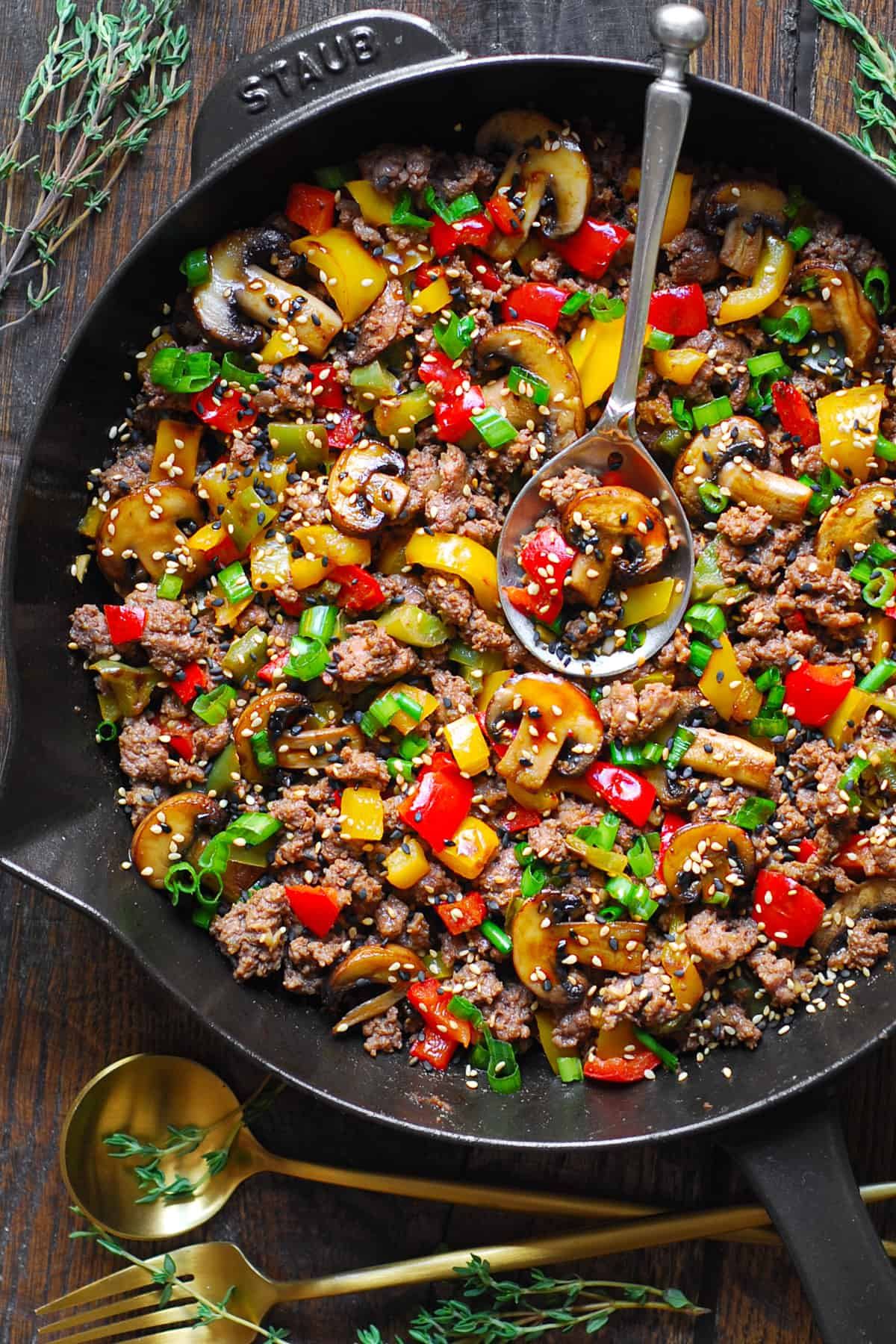
Home cooks across the Mediterranean have long built meals around fresh vegetables, olive oil, beans and whole grains, and nutrition researchers keep finding good reasons to pay attention. The pattern is less a strict diet than a way of cooking, with seasonal produce at the centre of the plate and olive oil providing flavour and healthy fats in place of butter or heavy sauces. Meals are usually prepared at home from simple ingredients, shared with family and eaten slowly rather than rushed at a desk. Long-running studies link this style of eating with better heart health, steadier blood sugar and healthier ageing. What makes the approach practical is flexibility, since the same principles work with local vegetables and pantry staples in almost any kitchen. There is no counting or weighing, only a shift toward foods that are fresh, colourful and minimally processed. For households hoping to eat better without giving up enjoyment, the Mediterranean table offers a realistic and satisfying starting point.
What the Evidence Shows
Putting the idea into practice starts with small changes to the weekly shop. A bottle of good olive oil, a stock of tinned beans and lentils, and a basket of seasonal vegetables cover most meals without specialist ingredients. Cooking methods stay simple, with roasting, grilling and slow simmering doing most of the work, and herbs, garlic, lemon and spices providing flavour instead of salt and sugar. Fish appears a few times a week, red meat only occasionally, and fruit often closes the meal in place of a heavy dessert. Nutritionists suggest keeping the focus on the whole pattern rather than any single ingredient, because the benefit comes from the combination of fibre, healthy fats and plant variety. Eating together matters too, since shared meals slow the pace and make it easier to notice when you are full. Over time, these habits tend to stick because they are built around foods people genuinely enjoy, not rules they resent. Reporting and analysis from sources such as World Health Organization track the same developments, and specialists following Mediterranean eating with olive oil say the direction is now consistent across independent lines of evidence.
The Wider Context
The wider context is a health system trying to move from treating illness late to preventing it early, against budgets that reward the opposite. Evidence around Mediterranean eating with olive oil is being weighed by guideline committees that ask two questions in order: does it work, and can ordinary services actually deliver it at scale. Many good ideas pass the first test and stall on the second.
What Happens Next
What happens next for Mediterranean eating with olive oil depends on the slow machinery of guidelines, funding and training catching up with the evidence. Patients asking about it today should expect honest answers that include uncertainty, and clinicians say a service that explains what is not yet known earns more trust than one that oversells. The research pipeline, at least, is moving in the right direction. You can follow related developments in our coverage of health.
There is a practical lesson in all of this for readers deciding what to do today. Start with the verified facts, be wary of anyone promising certainty, and prefer reversible steps while the evidence is still developing. Circumstances differ by country, income and personal situation, so general guidance should always be weighed against your own context before you act on it in any significant or lasting way.
