

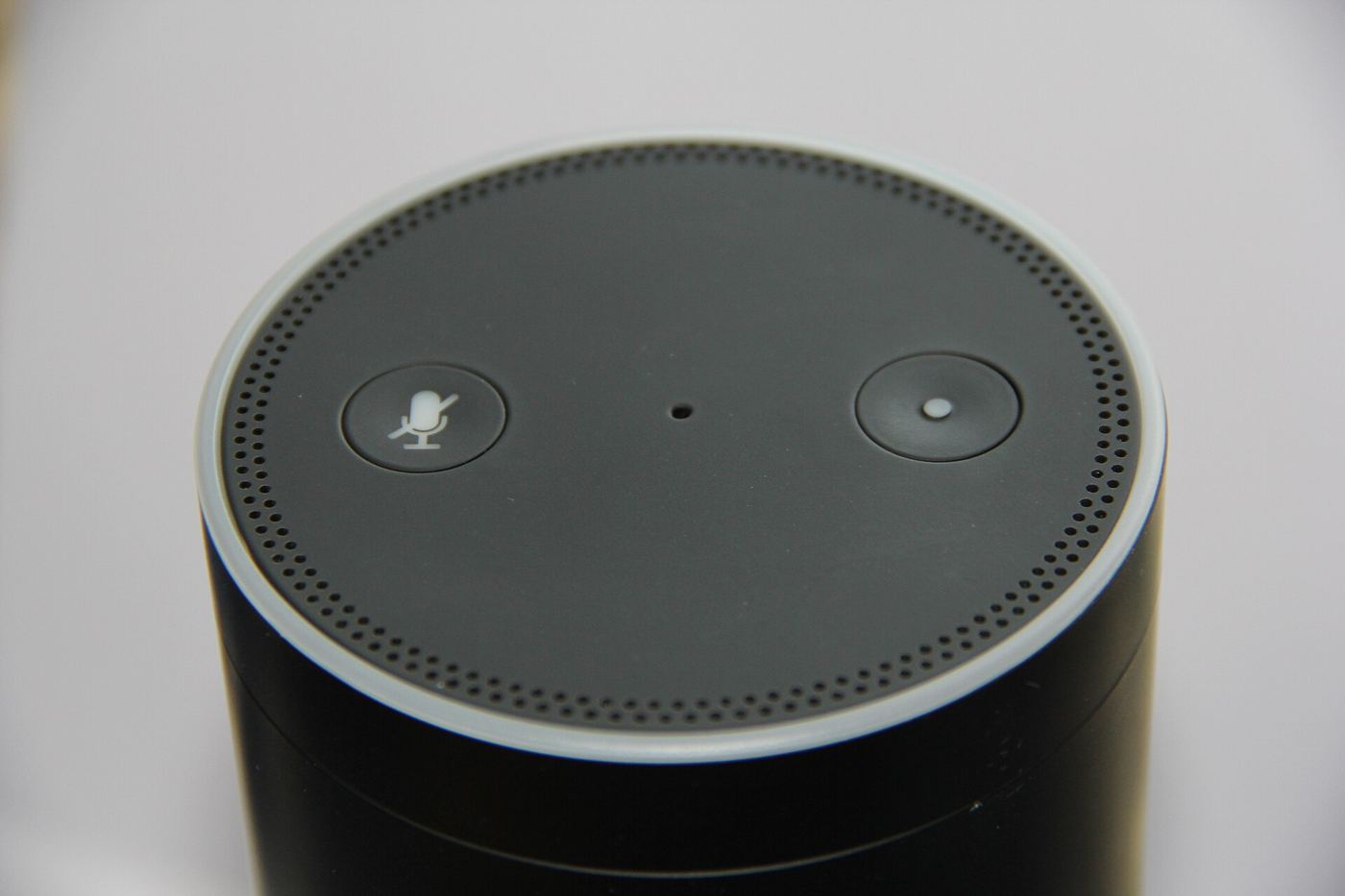
Smart home devices are quietly taking over everyday household chores, moving from novelty gadgets to practical helpers in millions of homes. A voice command can now switch off the lights, start the vacuum, adjust the heating or lock the doors, tasks that once needed a walk around the house. The appeal is less about the technology itself than the time it saves, especially for busy households juggling work, children and ageing parents. Smart plugs let owners schedule appliances for cheaper off-peak electricity, while sensors warn of leaks or open windows before they become costly problems. Setup has become far simpler, with most devices connecting through a phone app in minutes rather than needing a technician. Privacy remains a fair question, since microphones and cameras sit inside private rooms, so buyers are learning to check what data a device collects and where it is stored. Used thoughtfully, the smart home feels less like a showroom and more like a quiet assistant.
What the Evidence Shows
Choosing the right devices starts with the chores that cause the most friction. A robot vacuum suits homes with pets or hard floors, a smart thermostat pays off where heating bills are high, and a video doorbell helps households that miss deliveries. Compatibility matters, because devices from different makers do not always work together, so many buyers settle on one ecosystem and add to it gradually. Simple routines deliver the biggest wins, such as lights that dim at bedtime or a kettle that starts with the morning alarm. Security deserves the same care as convenience, with strong unique passwords for each device and regular software updates that close known flaws. Some households keep the most sensitive rooms free of listening devices, a sensible boundary that costs nothing. The best smart home setups are almost invisible, handling small jobs in the background while the people inside get on with their lives. Reporting and analysis from sources such as IEEE Spectrum track the same developments, and specialists following smart home devices say the direction is now consistent across independent lines of evidence.
The Wider Context
Adoption of smart home devices follows a familiar pattern with an unfamiliar speed. Early users tolerate rough edges in exchange for advantage, mainstream users arrive when the tool disappears into existing workflows, and the market consolidates around whoever made that transition feel effortless. Vendors are racing less on raw performance now than on integration, support and trust.
What Happens Next
The realistic forecast for smart home devices is steady integration rather than sudden replacement: embedded in products people already use, improving in increments, and regulated in proportion to its reach. The companies and institutions that plan on that basis, training staff and redesigning processes instead of chasing launches, are the ones the adoption data tends to vindicate. You can follow related developments in our coverage of technology.
It is also worth remembering how quickly the picture in this area has changed before. Positions that looked settled a few years ago have been revised as new data arrived, and the same humility is appropriate now. The strongest coverage of this subject, and the most useful advice, tends to come from sources that update their views openly when the facts move, rather than defending an earlier position long after it has stopped fitting the evidence available.
