

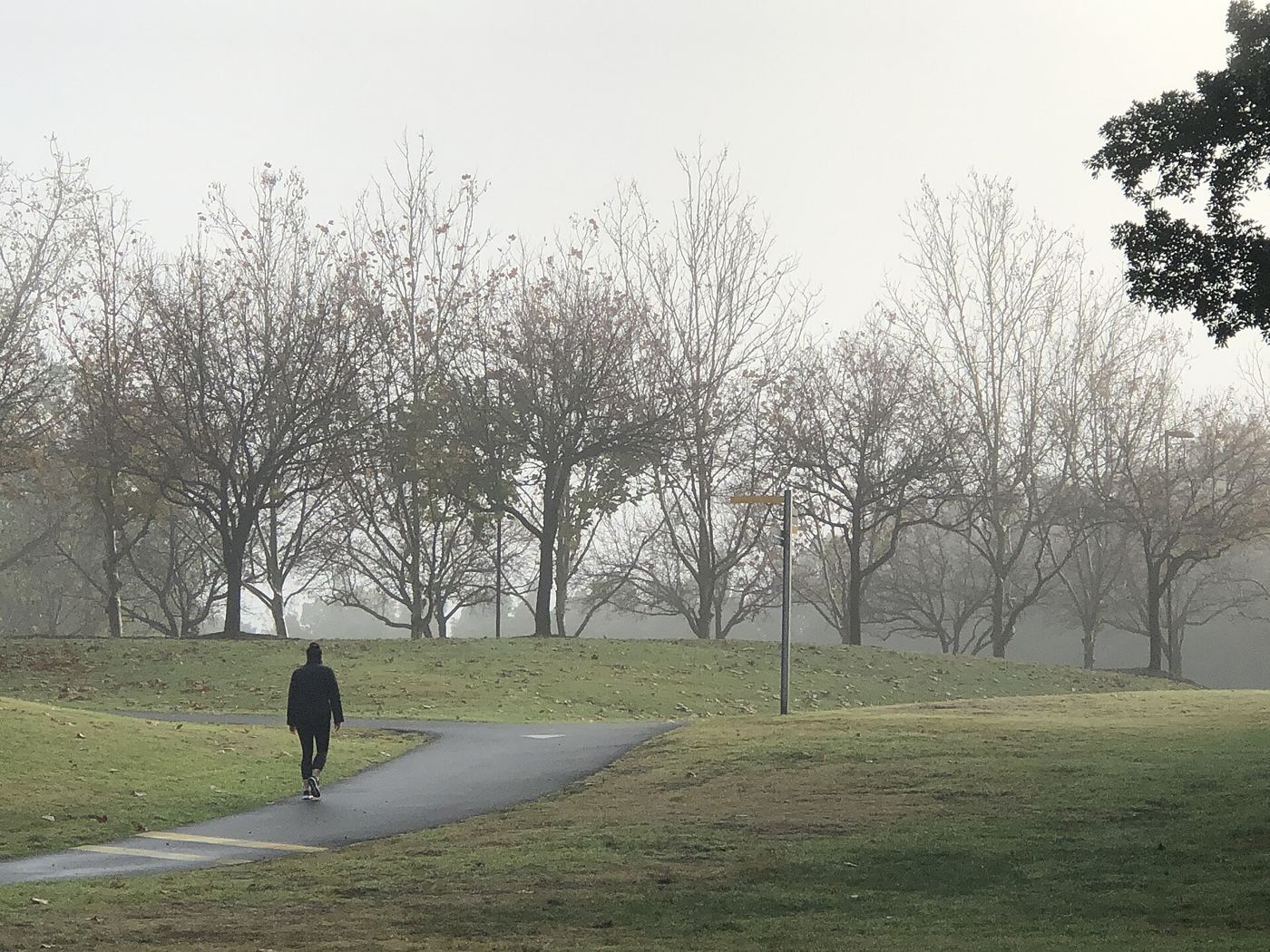
A brisk walk on a cold November day does more for mood and health than most people expect. Winter is when activity levels fall furthest, as dark evenings and wet weather keep people indoors, yet the health guidance has not changed: adults should aim for 150 minutes of moderate activity a week, and walking is the easiest way to reach it. Daylight matters too, since the body uses morning light to set its sleep clock, and a walk before lunch can steady sleep that night. Research has also linked regular walking with lower blood pressure, stronger bones and a lower risk of depression, and the benefits start with as little as ten minutes at a time. In midwinter, London gets under eight hours of daylight, so a lunchtime walk may be the only chance to see the sun all day.
What the Evidence Shows
The best winter walk is the one that actually happens, so comfort comes first. Warm layers, a waterproof coat and shoes with a good grip turn a cold wet pavement into a pleasant route, while a hat and gloves matter more than an expensive jacket. Walking with a friend or a local group helps on the days when motivation is low, and a fixed time each day turns the walk into a habit rather than a decision. The route does not need to be long or scenic: a loop around the block, a walk to the shops instead of a drive, or twenty minutes through a park all count. Anyone with a heart condition or breathing problems should check with a doctor before starting a new exercise routine in cold weather, and on icy mornings it is wiser to wait until the pavements have thawed. Reporting and analysis from sources such as World Health Organization track the same developments, and specialists following cold weather walks say the direction is now consistent across independent lines of evidence.
The Wider Context
The wider context is a health system trying to move from treating illness late to preventing it early, against budgets that reward the opposite. Evidence around cold weather walks is being weighed by guideline committees that ask two questions in order: does it work, and can ordinary services actually deliver it at scale. Many good ideas pass the first test and stall on the second.
What Happens Next
What happens next for cold weather walks depends on the slow machinery of guidelines, funding and training catching up with the evidence. Patients asking about it today should expect honest answers that include uncertainty, and clinicians say a service that explains what is not yet known earns more trust than one that oversells. The research pipeline, at least, is moving in the right direction. You can follow related developments in our coverage of health.
There is a practical lesson in all of this for readers deciding what to do today. Start with the verified facts, be wary of anyone promising certainty, and prefer reversible steps while the evidence is still developing. Circumstances differ by country, income and personal situation, so general guidance should always be weighed against your own context before you act on it in any significant or lasting way.
