

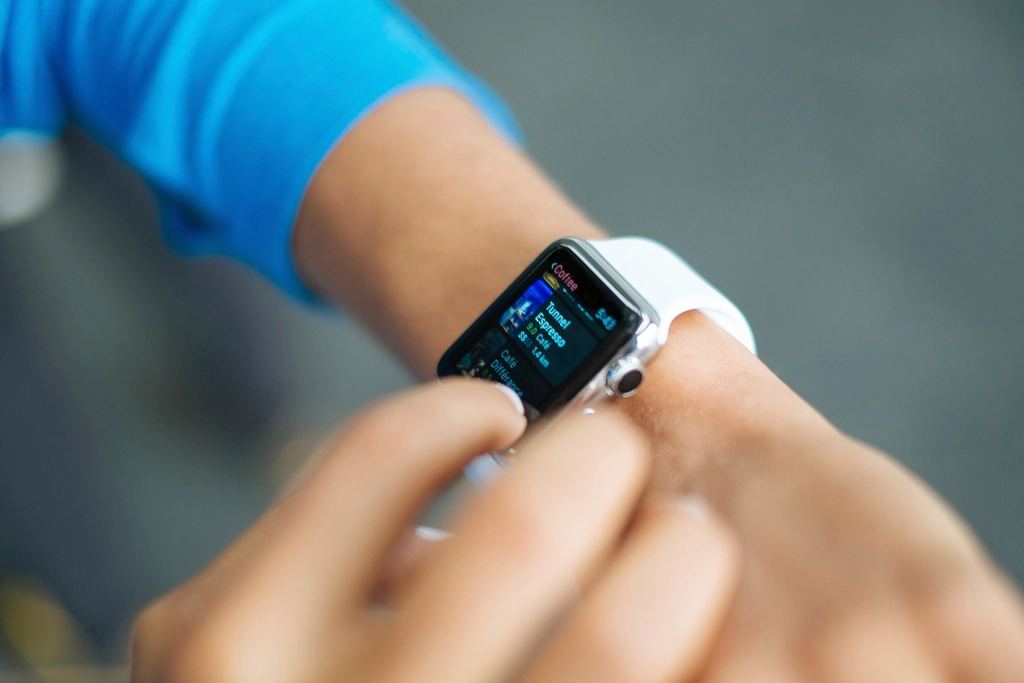
OpenAI has rolled out ChatGPT Health on Android, the company announced on November 25, 2026, letting users connect fitness apps and wearable devices to get a clearer picture of their daily habits. Android users can link their health data through Google’s Health Connect platform, drawing records from compatible apps and devices including Garmin, Oura and WHOOP. The chatbot can then read selected sleep, exercise and activity records to help users spot patterns in their routines. The expansion also brings connected health information into OpenAI’s personal AI agents, known as Dots, which can offer reminders and suggestions based on the data.
What the Evidence Shows
The feature is available to eligible logged-in users on Free, Go, Plus and Pro plans, but only in the United States, and users must be at least 18 years old. To start, users update the ChatGPT app, open Health from the sidebar or Explore menu, select Health Connect and choose which data categories to share. OpenAI says the Android rollout is gradual, so the Health section may not appear for everyone straight away. The rollout follows the feature’s earlier launch on iPhone, where users already link Apple Health records to the chatbot. The company also says health data will not be used for advertising or AI training, a point it has repeated as the feature reaches more devices. Reporting and analysis from sources such as The Lancet track the same developments, and specialists following the ChatGPT Health Android rollout say the direction is now consistent across independent lines of evidence.
The Wider Context
Equity runs through every discussion of the ChatGPT Health Android rollout. Interventions that require apps, fees or free weekday afternoons reliably reach the people who need them least, so the programmes earning praise are those designed around clinics, workplaces and community venues that already serve everyone. Evaluation reports now publish uptake by income and region as a matter of routine.
What Happens Next
The practical takeaway on the ChatGPT Health Android rollout is deliberately unglamorous: it works best as part of ordinary, well-delivered care rather than as a standalone fix. Health services are planning on that basis, building the referral routes and follow-up that turn a promising result into population benefit. The gains arrive slowly and then, in the statistics, unmistakably. You can follow related developments in our coverage of health.
It is also worth remembering how quickly the picture in this area has changed before. Positions that looked settled a few years ago have been revised as new data arrived, and the same humility is appropriate now. The strongest coverage of this subject, and the most useful advice, tends to come from sources that update their views openly when the facts move, rather than defending an earlier position long after it has stopped fitting the evidence available.
