

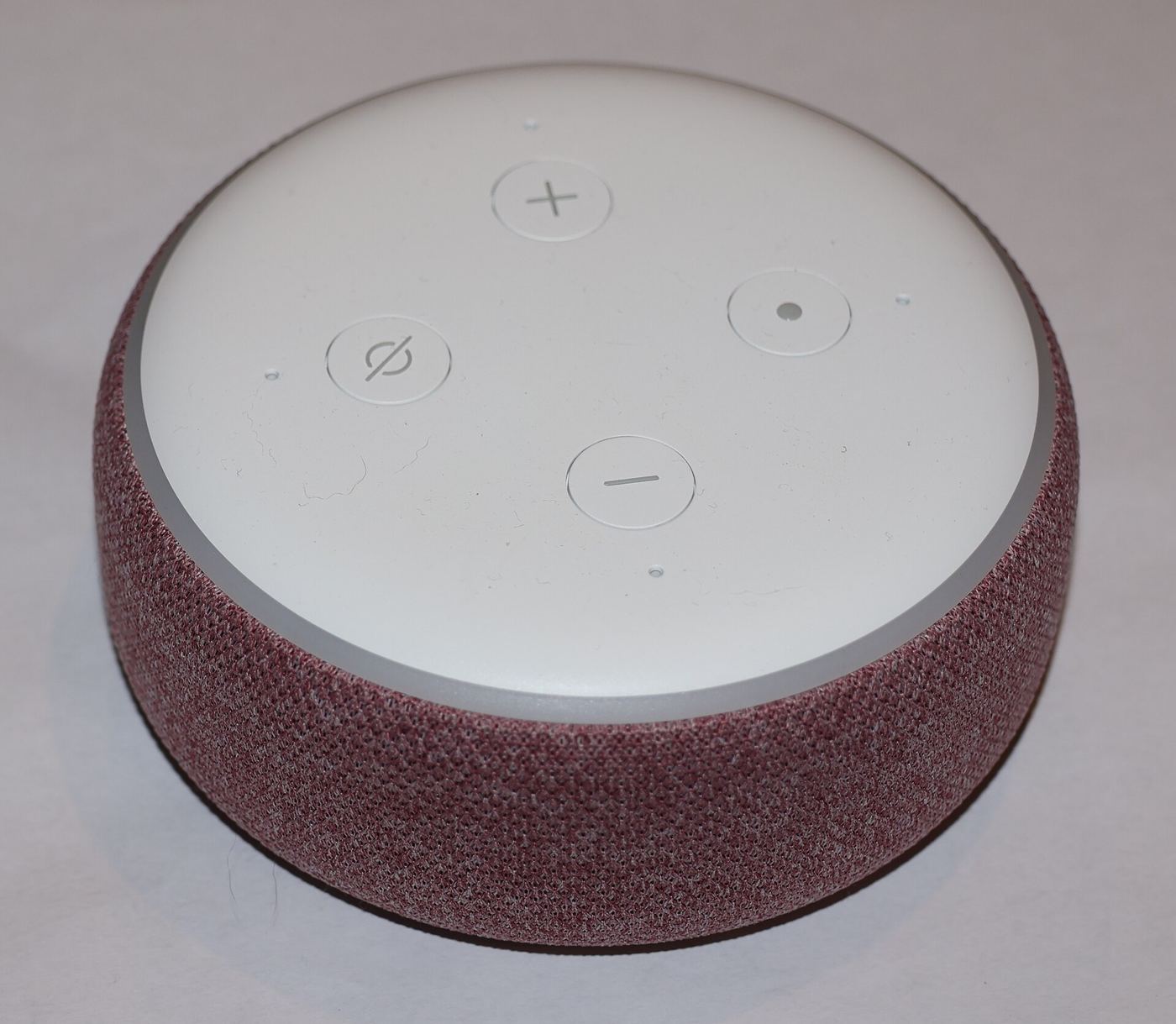
Smart home devices are moving beyond novelty as households use them to manage lighting, heating, security and entertainment with less effort each day. Newer products focus on working together, responding to voice or app controls and learning simple patterns that match how people actually live and work. For busy families, the value is often quiet convenience, such as lights that adjust in the evening or thermostats that reduce energy use overnight. Retailers report stronger demand for devices that are easy to install, simple to update and clear about privacy controls and data sharing choices. As prices become more accessible, these tools are starting to shape calmer, more efficient homes rather than serving as expensive extras for early adopters.
What the Evidence Shows
The most successful setups usually begin with one clear need, such as better lighting in a hallway or a speaker that helps organise daily reminders. Adding devices gradually allows households to test what genuinely helps, avoid cluttered apps and keep control over passwords, permissions and connected accounts at home. Energy monitoring is another growing draw, giving people a clearer view of heating, cooling and appliance use before monthly bills arrive in their inbox. Experts still advise checking compatibility before buying, because products that share standards are easier to manage and less likely to need replacing too soon. Used thoughtfully, connected devices can support comfort, safety and savings without turning the home into something complicated or difficult to maintain. Reporting and analysis from sources such as IEEE Spectrum track the same developments, and specialists following smart home devices for calmer routines say the direction is now consistent across independent lines of evidence.
The Wider Context
Adoption of smart home devices for calmer routines follows a familiar pattern with an unfamiliar speed. Early users tolerate rough edges in exchange for advantage, mainstream users arrive when the tool disappears into existing workflows, and the market consolidates around whoever made that transition feel effortless. Vendors are racing less on raw performance now than on integration, support and trust.
What Happens Next
The realistic forecast for smart home devices for calmer routines is steady integration rather than sudden replacement: embedded in products people already use, improving in increments, and regulated in proportion to its reach. The companies and institutions that plan on that basis, training staff and redesigning processes instead of chasing launches, are the ones the adoption data tends to vindicate. You can follow related developments in our coverage of technology.
It is also worth remembering how quickly the picture in this area has changed before. Positions that looked settled a few years ago have been revised as new data arrived, and the same humility is appropriate now. The strongest coverage of this subject, and the most useful advice, tends to come from sources that update their views openly when the facts move, rather than defending an earlier position long after it has stopped fitting the evidence available.
