

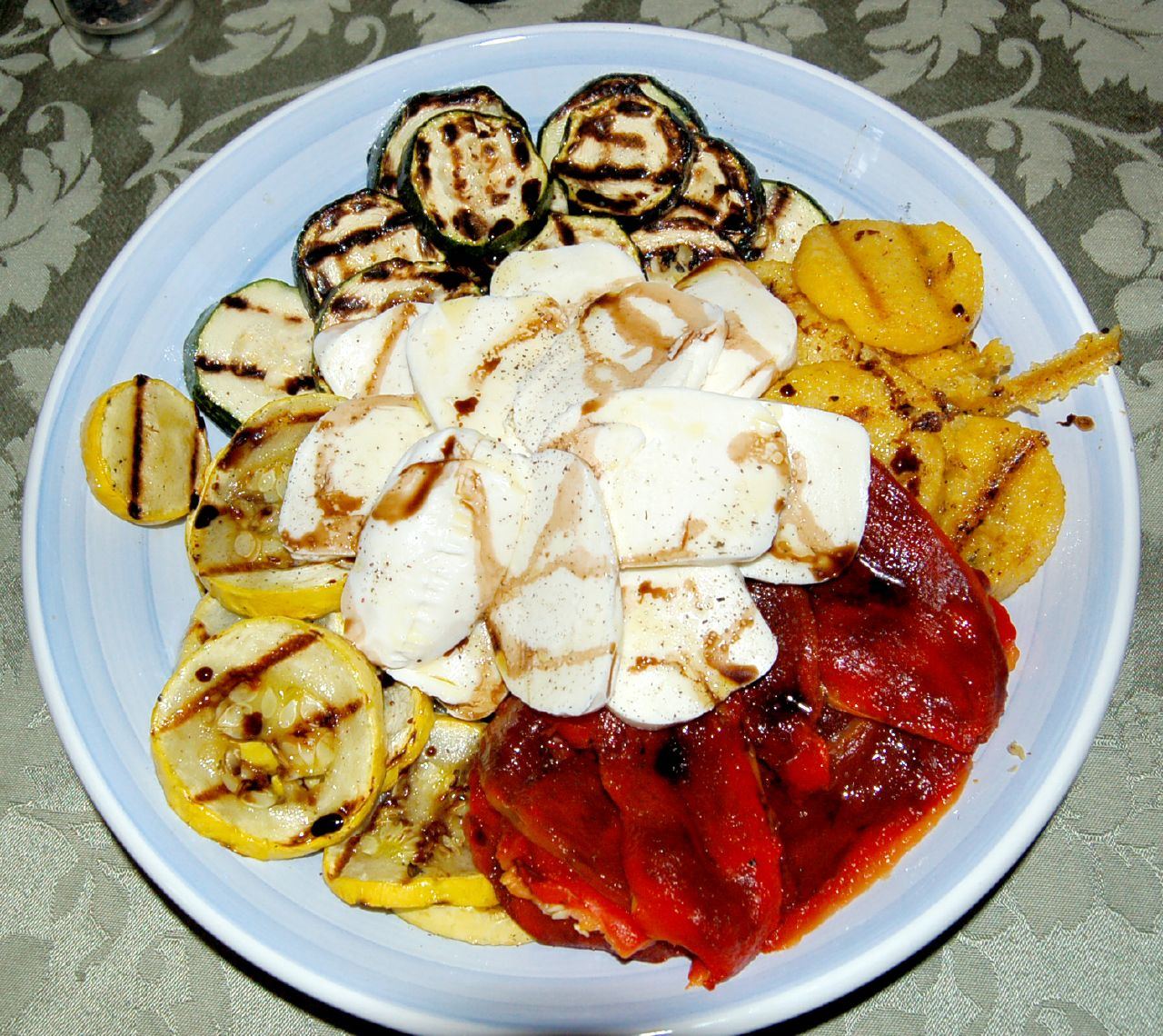
Seasonal eating is gaining fresh attention as shoppers look for meals that feel lighter, taste better and support a more balanced routine at home. Markets and grocers say interest rises when produce is picked at the right moment, travels shorter distances and arrives with flavour and texture still intact. For many households, the appeal is practical as well as nutritional, because seasonal ingredients often cost less and need very little preparation to shine. Nutrition specialists note that variety across the week matters, with colourful vegetables, grains and healthy oils helping people build plates that satisfy without feeling heavy. The trend also reflects a slower approach to food, where planning, sharing and simple cooking become part of everyday wellbeing rather than another rushed task.
What the Evidence Shows
Building a seasonal routine does not require a complete change in habits, and most people start by choosing two or three ingredients each week. A bowl of fresh vegetables with olive oil, herbs and lemon can become a base for salads, warm sides or a simple shared starter. Cooks say keeping dressings light and seasoning balanced allows the natural taste of each ingredient to remain the focus of the meal. Families also find that shopping with a short list reduces waste, saves money and makes weekday decisions easier when time is limited after work. Over time, those small choices can support steadier energy, better digestion and a more enjoyable relationship with food at home. Reporting and analysis from sources such as World Health Organization track the same developments, and specialists following seasonal eating for everyday wellbeing say the direction is now consistent across independent lines of evidence.
The Wider Context
The wider context is a health system trying to move from treating illness late to preventing it early, against budgets that reward the opposite. Evidence around seasonal eating for everyday wellbeing is being weighed by guideline committees that ask two questions in order: does it work, and can ordinary services actually deliver it at scale. Many good ideas pass the first test and stall on the second.
What Happens Next
What happens next for seasonal eating for everyday wellbeing depends on the slow machinery of guidelines, funding and training catching up with the evidence. Patients asking about it today should expect honest answers that include uncertainty, and clinicians say a service that explains what is not yet known earns more trust than one that oversells. The research pipeline, at least, is moving in the right direction. You can follow related developments in our coverage of health.
There is a practical lesson in all of this for readers deciding what to do today. Start with the verified facts, be wary of anyone promising certainty, and prefer reversible steps while the evidence is still developing. Circumstances differ by country, income and personal situation, so general guidance should always be weighed against your own context before you act on it in any significant or lasting way.
