

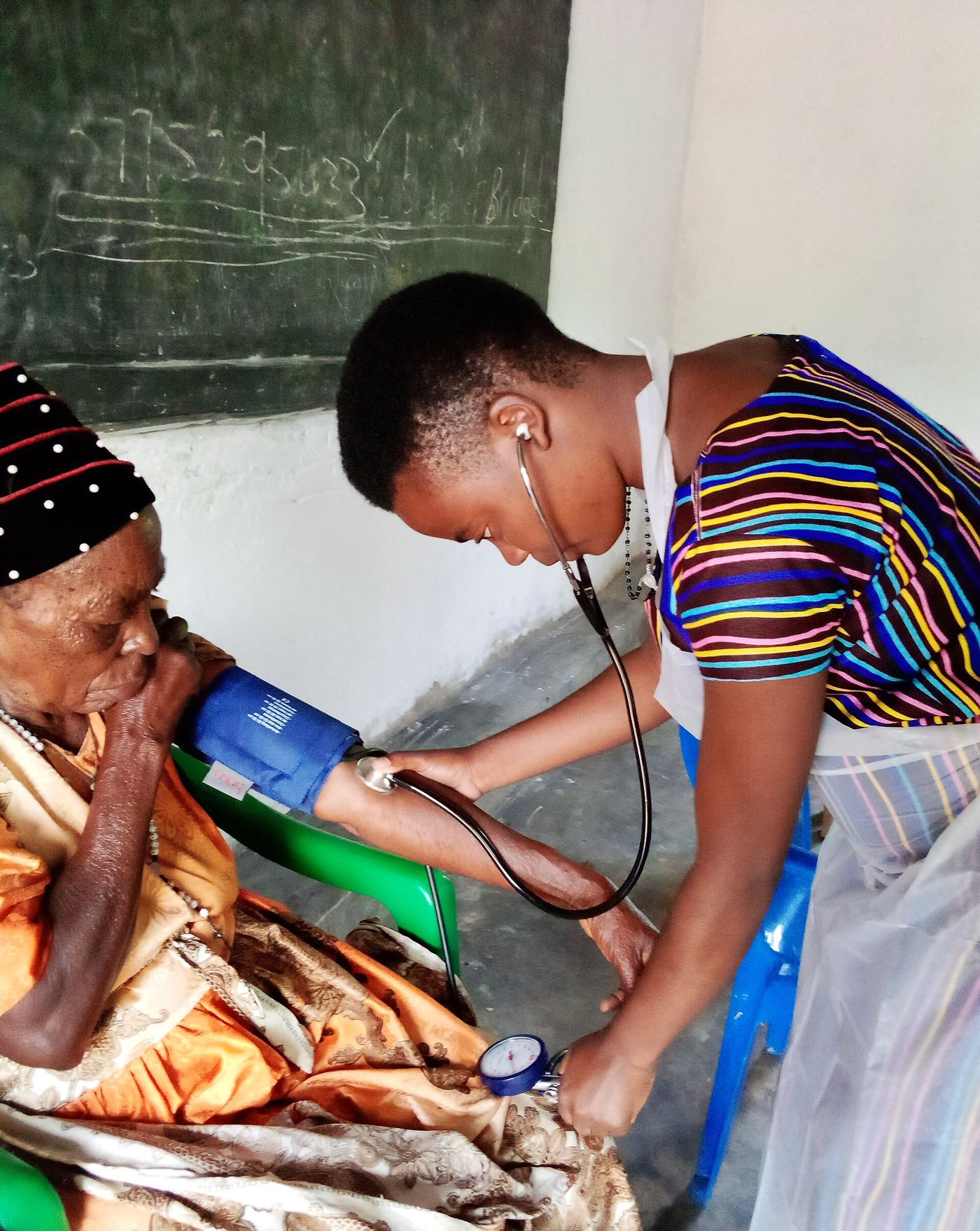
Routine blood pressure checks are becoming a central part of preventive healthcare as clinicians stress that high blood pressure often develops quietly, without obvious symptoms for many years. A quick measurement during a clinic visit, pharmacy appointment or community screening can reveal a risk that is manageable when it is spotted early. Health professionals say regular checks are especially important for adults over forty, people with a family history of heart disease and anyone managing stress, weight or long working hours. The appeal is simplicity: the test is painless, inexpensive and gives both patient and clinician a clear number to track over time rather than relying on how someone happens to feel that day. Community clinics report strong attendance when checks are offered alongside flu vaccinations, diabetes screening and other routine appointments in familiar local settings.
What the Evidence Shows
Managing blood pressure well usually begins with everyday habits rather than medication alone, including balanced meals, less salt, regular walking, good sleep and limiting alcohol. Nurses often advise patients to keep a simple record at home, taking readings at the same time each day and bringing the results to follow up appointments for a fuller picture. Home readings can also reduce the anxiety some people feel in clinical settings, which itself can temporarily raise a measurement. When lifestyle changes are not enough, doctors can discuss treatment options and review them regularly as circumstances change. The message from health teams is encouraging: small, steady steps, checked consistently, can protect heart health for decades. Anyone given a high reading should not panic, because a diagnosis is confirmed over repeated measurements rather than on a single result alone. Reporting and analysis from sources such as World Health Organization track the same developments, and specialists following routine blood pressure checks for prevention say the direction is now consistent across independent lines of evidence.
The Wider Context
The wider context is a health system trying to move from treating illness late to preventing it early, against budgets that reward the opposite. Evidence around routine blood pressure checks for prevention is being weighed by guideline committees that ask two questions in order: does it work, and can ordinary services actually deliver it at scale. Many good ideas pass the first test and stall on the second.
What Happens Next
What happens next for routine blood pressure checks for prevention depends on the slow machinery of guidelines, funding and training catching up with the evidence. Patients asking about it today should expect honest answers that include uncertainty, and clinicians say a service that explains what is not yet known earns more trust than one that oversells. The research pipeline, at least, is moving in the right direction. You can follow related developments in our coverage of health.
There is a practical lesson in all of this for readers deciding what to do today. Start with the verified facts, be wary of anyone promising certainty, and prefer reversible steps while the evidence is still developing. Circumstances differ by country, income and personal situation, so general guidance should always be weighed against your own context before you act on it in any significant or lasting way.
