

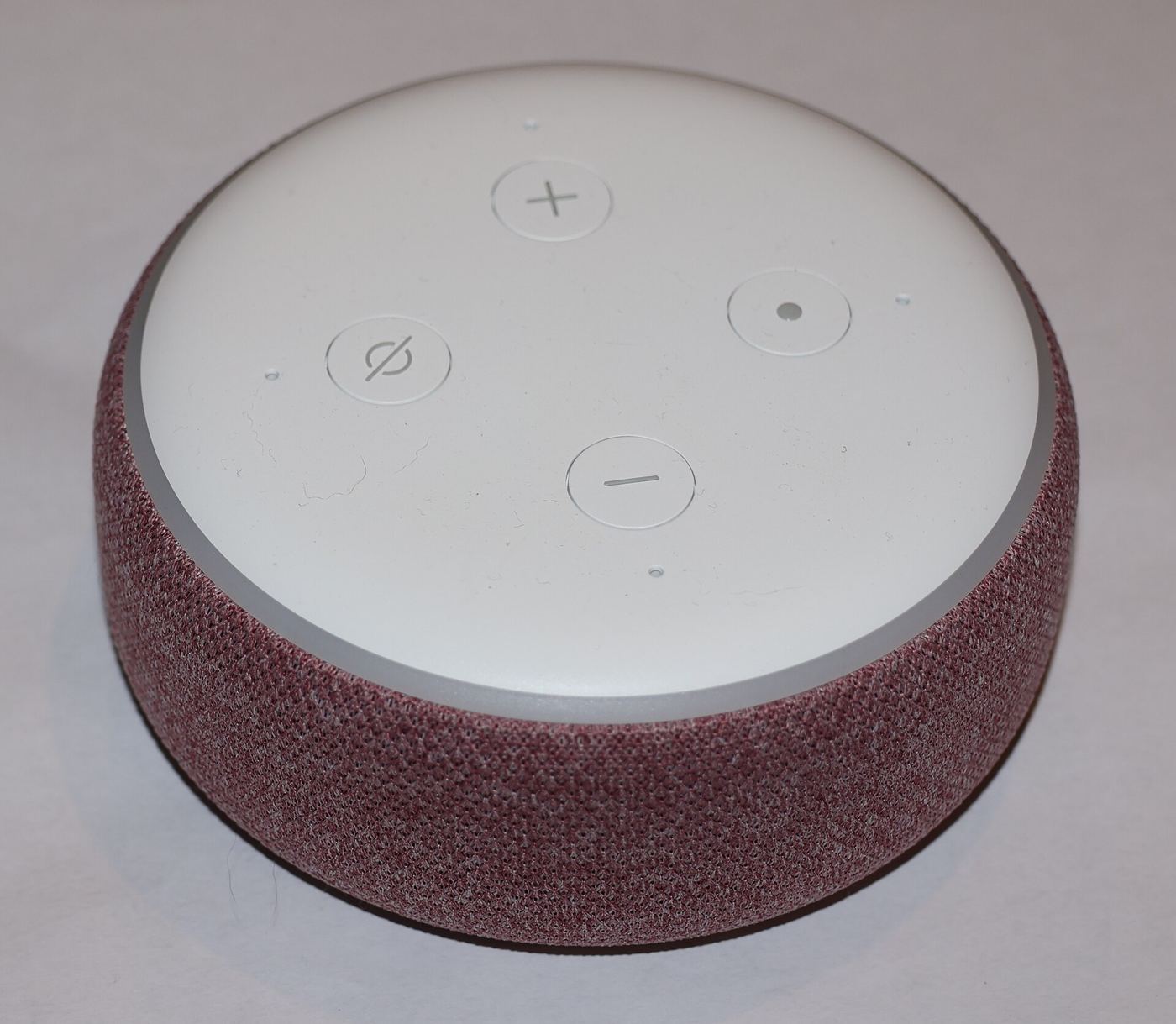
Smart home technology is increasingly being bought for one practical reason: helping households understand and reduce the energy they waste every day. Smart plugs, thermostats, lighting and energy monitors show exactly where electricity is being used, turning an opaque monthly bill into information people can act on immediately. For families facing higher living costs, that visibility matters more than novelty features or voice controlled entertainment. Retailers say buyers now ask first about savings, compatibility and running costs, rather than how many functions a device can offer. The shift reflects a broader lifestyle change, where comfortable homes are also expected to be efficient, responsive and less wasteful without requiring constant attention from the people living in them. Grants and retailer offers in some areas are also lowering the upfront cost for households willing to try the technology.
What the Evidence Shows
The biggest savings usually come from heating, standby power and lighting, three areas where small automated changes add up quietly over a year. A thermostat that lowers heating when the house is empty, plugs that switch off idle entertainment equipment and bulbs that dim in daylight can reduce use without affecting daily comfort. Experts recommend starting with a single room, reviewing the data after a month and expanding only where the benefit is clear and measurable. Households should also check that devices receive security updates and work with the systems they already own, avoiding a collection of incompatible apps. Used this way, smart technology supports both household budgets and a lighter environmental footprint. Landlords are beginning to take interest too, since efficient rental homes are cheaper to run and more attractive to tenants. Reporting and analysis from sources such as IEEE Spectrum track the same developments, and specialists following smart home technology that cuts energy waste say the direction is now consistent across independent lines of evidence.
The Wider Context
Adoption of smart home technology that cuts energy waste follows a familiar pattern with an unfamiliar speed. Early users tolerate rough edges in exchange for advantage, mainstream users arrive when the tool disappears into existing workflows, and the market consolidates around whoever made that transition feel effortless. Vendors are racing less on raw performance now than on integration, support and trust.
What Happens Next
The realistic forecast for smart home technology that cuts energy waste is steady integration rather than sudden replacement: embedded in products people already use, improving in increments, and regulated in proportion to its reach. The companies and institutions that plan on that basis, training staff and redesigning processes instead of chasing launches, are the ones the adoption data tends to vindicate. You can follow related developments in our coverage of technology.
It is also worth remembering how quickly the picture in this area has changed before. Positions that looked settled a few years ago have been revised as new data arrived, and the same humility is appropriate now. The strongest coverage of this subject, and the most useful advice, tends to come from sources that update their views openly when the facts move, rather than defending an earlier position long after it has stopped fitting the evidence available.
