

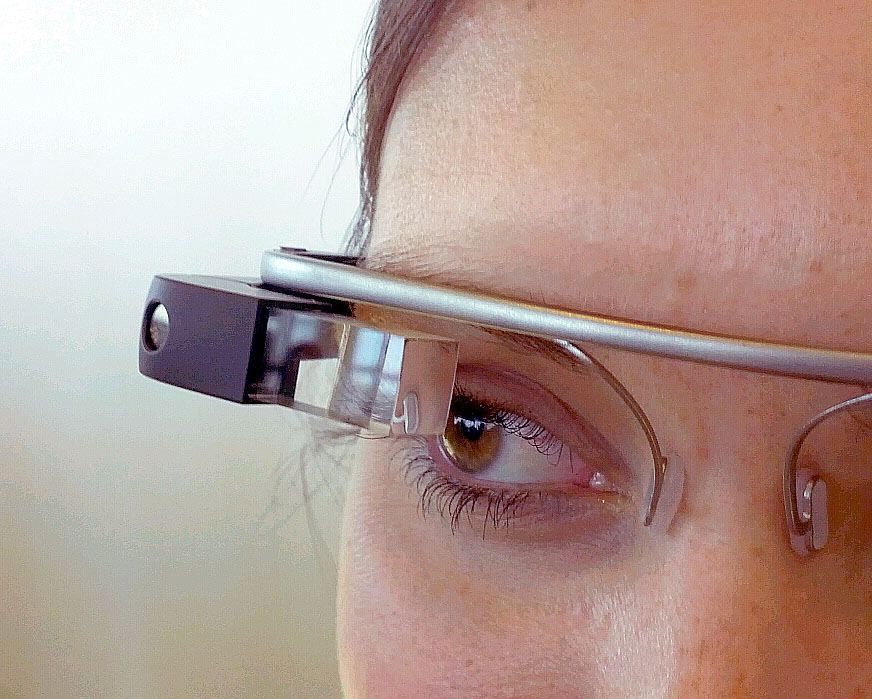
Smart glasses are moving beyond novelty as new models add live captions that appear directly in the wearer’s view during conversation. For people who are deaf or hard of hearing, and for anyone talking in a noisy street or busy station, the technology offers a practical way to follow speech without constantly looking down at a phone. Recent devices pair lightweight frames with microphones that pick up nearby voices and software that converts speech to text within seconds. Developers have focused on making the captions readable at a glance, with larger fonts and positioning that does not block the wearer’s view of faces and surroundings. Trials in city centres suggest users feel more confident joining group conversations and handling everyday interactions such as ordering in a cafe or asking for directions. The glasses also support translation captions for some languages, which could help travellers and multilingual workplaces. While battery life and accuracy in very loud settings remain challenges, the direction is clear. Wearable captions are becoming a discreet accessibility tool, designed for ordinary daily life rather than specialist settings alone, and interest from employers and transport providers is growing steadily.
What the Evidence Shows
For the technology to succeed, accuracy and privacy must improve together. Captioning software still struggles with overlapping speech, strong accents and technical vocabulary, and users need a simple way to correct errors without interrupting a conversation. Manufacturers say processing more speech directly on the device, rather than sending audio to distant servers, helps on both fronts by reducing delays and limiting data exposure. Clear indicators that recording is active also matter, so people nearby understand when captions are running. Comfort is another factor, since glasses worn all day must feel no heavier than ordinary frames and survive rain, heat and daily handling. Pricing will decide how widely the benefit spreads, with early models aimed at professionals and accessibility budgets. Even so, user groups welcome the shift in design thinking, where accessibility features lead product development instead of arriving as an afterthought. If developers maintain that focus, live caption glasses could soon feel as normal as wireless earbuds, quietly widening who can take part fully in everyday conversation wherever it happens. Reporting and analysis from sources such as IEEE Spectrum track the same developments, and specialists following live caption smart glasses say the direction is now consistent across independent lines of evidence.
The Wider Context
Adoption of live caption smart glasses follows a familiar pattern with an unfamiliar speed. Early users tolerate rough edges in exchange for advantage, mainstream users arrive when the tool disappears into existing workflows, and the market consolidates around whoever made that transition feel effortless. Vendors are racing less on raw performance now than on integration, support and trust.
What Happens Next
The realistic forecast for live caption smart glasses is steady integration rather than sudden replacement: embedded in products people already use, improving in increments, and regulated in proportion to its reach. The companies and institutions that plan on that basis, training staff and redesigning processes instead of chasing launches, are the ones the adoption data tends to vindicate. You can follow related developments in our coverage of technology.
It is also worth remembering how quickly the picture in this area has changed before. Positions that looked settled a few years ago have been revised as new data arrived, and the same humility is appropriate now. The strongest coverage of this subject, and the most useful advice, tends to come from sources that update their views openly when the facts move, rather than defending an earlier position long after it has stopped fitting the evidence available.
