

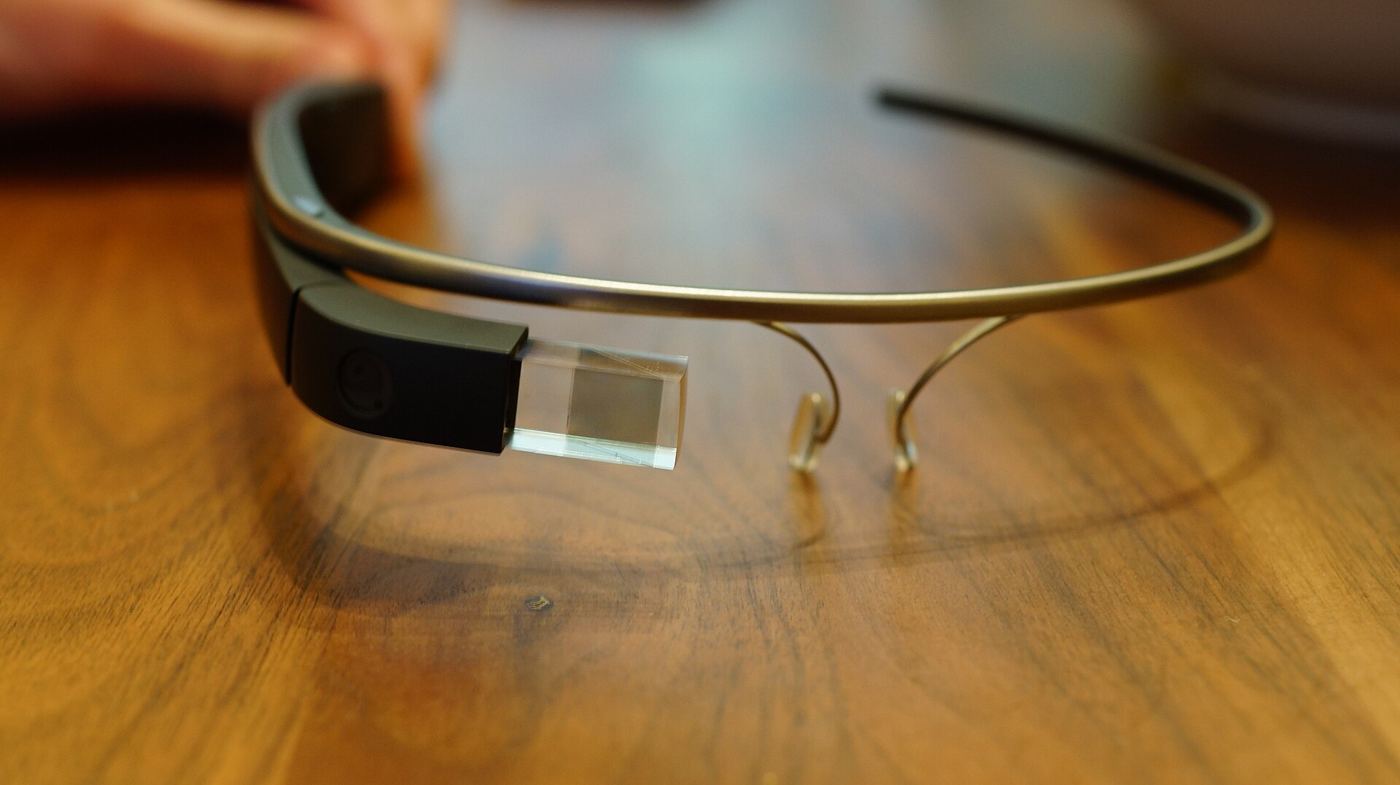
Smart glasses are moving from novelty to everyday help on city streets, as lighter frames, clearer displays and better voice controls make wearable technology feel useful rather than showy for ordinary people. Early models drew attention mainly for looking unusual, but the newest versions focus on small, practical moments, showing walking directions in the corner of vision, translating a sign, reading a message aloud or identifying the platform a train leaves from. Manufacturers have also learned to make the glasses look like ordinary eyewear, offering familiar frame styles so the technology blends into daily life instead of announcing itself to everyone nearby. Battery life remains a compromise, with most models needing a charge case through a busy day, yet efficiency gains mean basic features now last far longer than the first experimental pairs managed. For lifestyle readers, the shift matters because it hints at a calmer kind of technology, glanceable and brief rather than demanding constant attention.
What the Evidence Shows
Privacy questions follow smart glasses wherever they go, since a camera at eye level can record people who never agreed to be filmed in a cafe, office or train carriage. Responsible makers now fit visible recording lights, shorten stored clips and give wearers clear controls, while venues from gyms to workplaces are writing their own rules about where the devices may be used. Shoppers considering a pair are advised to test comfort first, because a frame worn all day must suit prescription lenses, nose shape and personal style as well as its software features. Prices are falling slowly as components standardise, though the best models still cost enough to deserve careful comparison against a smartwatch that covers many of the same tasks. Accessibility may prove the strongest case, with live captions, spoken descriptions and navigation prompts offering genuine independence to some deaf and visually impaired users. Whether smart glasses become as ordinary as earbuds is still uncertain, but their direction is clear, away from spectacle and toward quiet assistance that respects both the wearer and everyone around them daily. Reporting and analysis from sources such as IEEE Spectrum track the same developments, and specialists following smart glasses offer everyday help outdoors say the direction is now consistent across independent lines of evidence.
The Wider Context
Adoption of smart glasses offer everyday help outdoors follows a familiar pattern with an unfamiliar speed. Early users tolerate rough edges in exchange for advantage, mainstream users arrive when the tool disappears into existing workflows, and the market consolidates around whoever made that transition feel effortless. Vendors are racing less on raw performance now than on integration, support and trust.
What Happens Next
The realistic forecast for smart glasses offer everyday help outdoors is steady integration rather than sudden replacement: embedded in products people already use, improving in increments, and regulated in proportion to its reach. The companies and institutions that plan on that basis, training staff and redesigning processes instead of chasing launches, are the ones the adoption data tends to vindicate. You can follow related developments in our coverage of technology.
It is also worth remembering how quickly the picture in this area has changed before. Positions that looked settled a few years ago have been revised as new data arrived, and the same humility is appropriate now. The strongest coverage of this subject, and the most useful advice, tends to come from sources that update their views openly when the facts move, rather than defending an earlier position long after it has stopped fitting the evidence available.
