

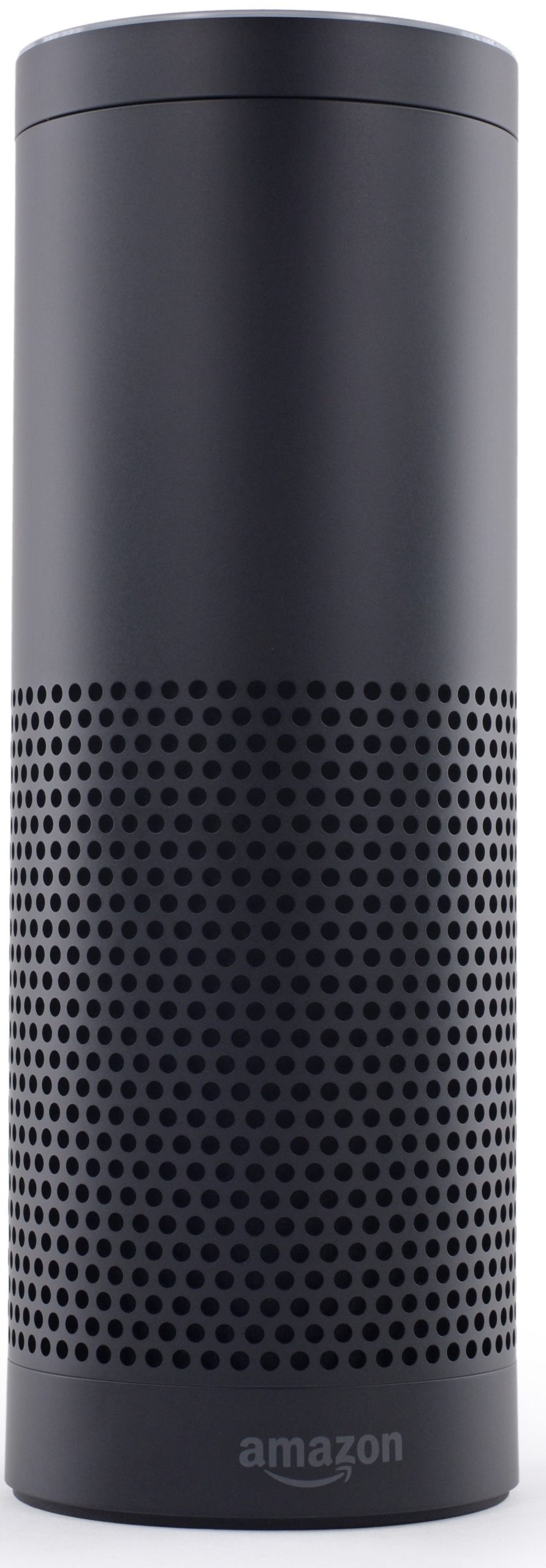
Smart home sensors are quietly cutting wasted energy around the house, as small, inexpensive devices learn when rooms are empty, windows are open or heating is working harder than it needs to. Occupancy sensors can lower heating in rooms nobody has entered for an hour, while contact sensors on windows pause the radiators nearby instead of letting warmth escape straight outdoors on a cold day. Smart plugs report which appliances draw power even on standby, often revealing old set top boxes, chargers and spare televisions costing more each year than their owners ever suspected from the electricity bill. The technology appeals to lifestyle readers because it works in the background of a normal home, asking for no lifestyle overhaul, no constant app checking and no technical confidence beyond a simple setup guided step by step. Energy advisers recommend starting with one or two sensors aimed at an obvious waste, such as a hallway heated all day or a home office left warm through every weekend, then expanding only if the savings prove real. Privacy deserves a thought too, since sensors that know when a home is occupied should keep that information protected, with owners choosing reputable brands and switching off features they do not actually need at home.
What the Evidence Shows
Setting sensors up well matters more than buying many of them, because a badly placed motion sensor that misses the room’s real activity will annoy a household into switching the whole system off. Advisers suggest placing sensors where people actually pass, testing the heating schedule for a week and adjusting timings around real routines like school runs and late shifts rather than the timetable imagined when the kit was installed. Renters can join in too, since many sensors stick in place without drilling and smart plugs need no wiring at all, making the savings available beyond homeowners. Bills should be compared across similar weather, because a mild month can flatter any system while a cold snap can hide genuine improvements in the figures. Households that review the sensor reports monthly often find the next saving themselves, a door seal here or a timer there, turning energy saving into a light, ongoing habit instead of a one off project. Used this way, smart sensors deliver the best kind of home technology, invisible most of the time and quietly saving money every single day. Manufacturers are also clearer than they once were about data, publishing plain explanations of what each sensor records and fitting physical off switches that households can actually find and use at home. Reporting and analysis from sources such as IEEE Spectrum track the same developments, and specialists following smart home sensors cut wasted energy say the direction is now consistent across independent lines of evidence.
The Wider Context
Adoption of smart home sensors cut wasted energy follows a familiar pattern with an unfamiliar speed. Early users tolerate rough edges in exchange for advantage, mainstream users arrive when the tool disappears into existing workflows, and the market consolidates around whoever made that transition feel effortless. Vendors are racing less on raw performance now than on integration, support and trust.
What Happens Next
The realistic forecast for smart home sensors cut wasted energy is steady integration rather than sudden replacement: embedded in products people already use, improving in increments, and regulated in proportion to its reach. The companies and institutions that plan on that basis, training staff and redesigning processes instead of chasing launches, are the ones the adoption data tends to vindicate. You can follow related developments in our coverage of technology.
