

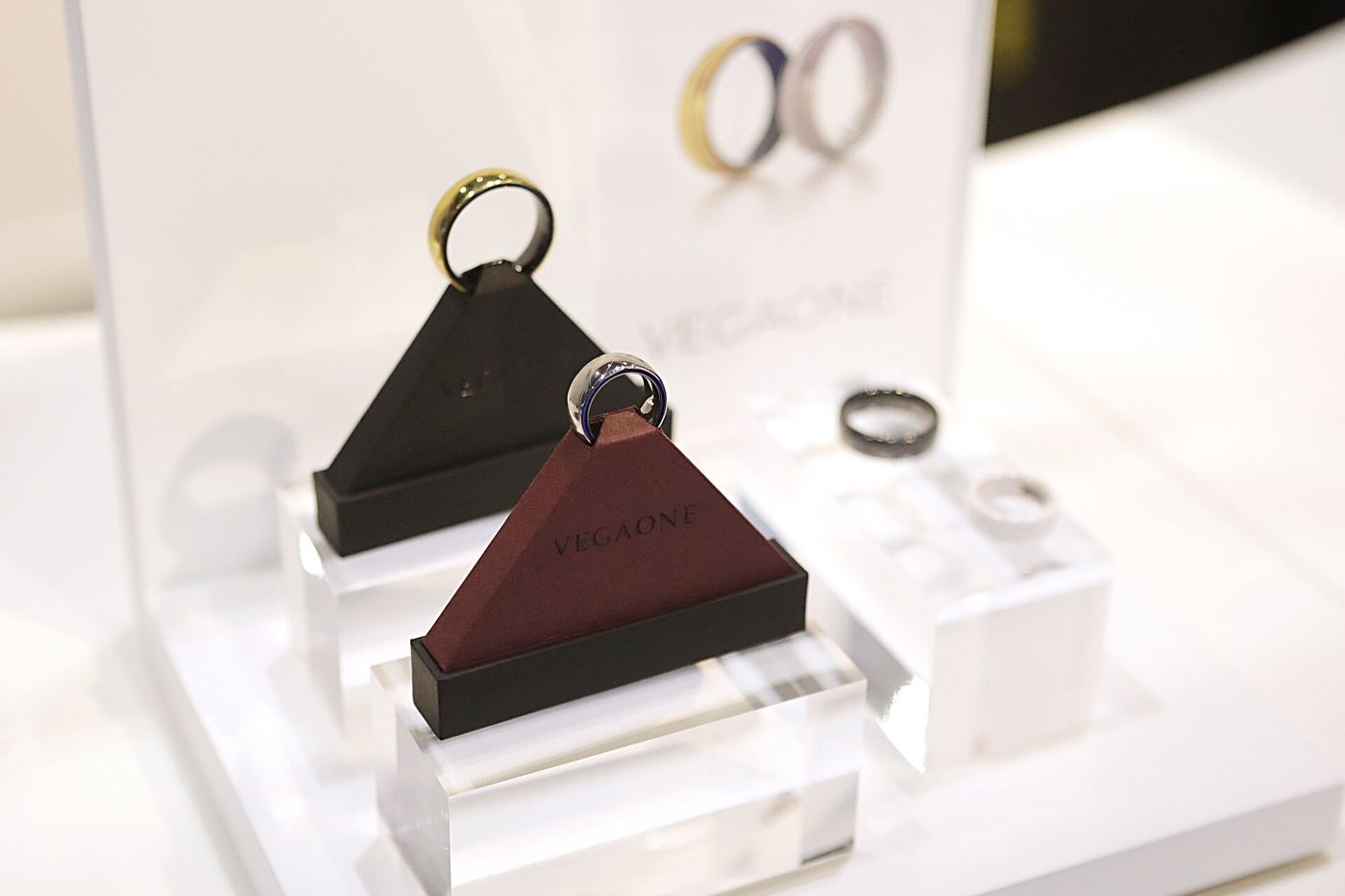
Smart rings are the smallest wearable computers most people will ever own, packing sleep tracking, heart-rate monitoring and temperature sensing into a band barely thicker than a wedding ring. Unlike a smartwatch, the ring has no screen to distract its wearer, and its battery lasts for days rather than hours, so it keeps recording through the night without a nightly charge. Each morning the companion app turns the raw numbers into a simple readiness score, telling the wearer whether the body recovered well or needs an easier day. Runners and office workers alike like the discretion, since the ring looks like ordinary jewellery and draws no attention in meetings or at dinner. The sensors work by shining light through the skin and measuring the tiny changes in blood flow with each heartbeat, a method that has improved steadily as the devices shrank. Accuracy is good for resting heart rate and sleep duration, though experts caution that the ring is a guide rather than a medical device. For people who want health data without wearing a computer on their wrist, the smart ring is a quiet compromise.
What the Evidence Shows
Choosing a smart ring starts with sizing, since a ring that is too loose gives patchy readings and one that is too tight becomes uncomfortable overnight. Most makers send a plastic sizing kit first, and buyers should wear the test ring for a day or two, including a night’s sleep, before ordering. Battery life varies from four to seven days depending on the model, and charging usually takes under an hour on a small dock. A monthly subscription is the hidden cost to check, as some brands charge for the detailed analysis behind the headline scores while others include everything in the purchase price. Privacy matters too, because the ring collects sensitive health data, so buyers should read how the company stores and shares it. The ring suits people who want steady, passive tracking without notifications and screens, though athletes who need GPS or workout maps will still want a watch as well. Reporting and analysis from sources such as IEEE Spectrum track the same developments, and specialists following smart rings say the direction is now consistent across independent lines of evidence.
The Wider Context
Adoption of smart rings follows a familiar pattern with an unfamiliar speed. Early users tolerate rough edges in exchange for advantage, mainstream users arrive when the tool disappears into existing workflows, and the market consolidates around whoever made that transition feel effortless. Vendors are racing less on raw performance now than on integration, support and trust.
What Happens Next
The realistic forecast for smart rings is steady integration rather than sudden replacement: embedded in products people already use, improving in increments, and regulated in proportion to its reach. The companies and institutions that plan on that basis, training staff and redesigning processes instead of chasing launches, are the ones the adoption data tends to vindicate. You can follow related developments in our coverage of technology.
It is also worth remembering how quickly the picture in this area has changed before. Positions that looked settled a few years ago have been revised as new data arrived, and the same humility is appropriate now. The strongest coverage of this subject, and the most useful advice, tends to come from sources that update their views openly when the facts move, rather than defending an earlier position long after it has stopped fitting the evidence available.
