

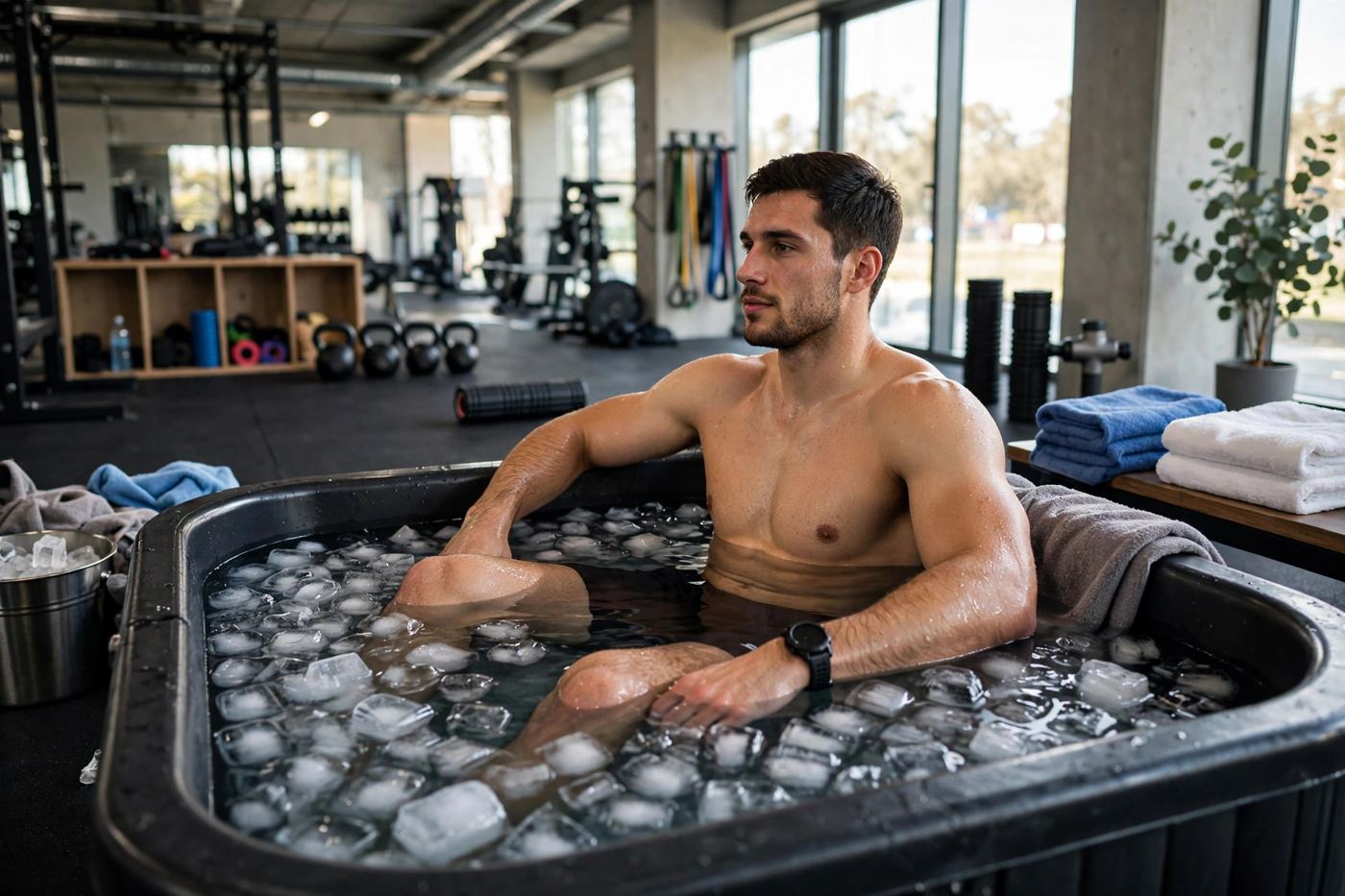
Cold water immersion, better known as the ice bath, has moved from elite training rooms into ordinary gyms, where weekend runners and amateur athletes now swear by the chill. The routine is simple: after a hard workout, the athlete steps into a tub of cold water, usually between ten and fifteen degrees, and stays there for five to ten minutes. Fans say the cold narrows blood vessels, flushing out waste products from tired muscles, and when the body warms up again, fresh blood flows back in, carrying oxygen that helps repair the tissue. Research offers cautious support, with studies showing that ice baths can reduce muscle soreness the day after intense exercise, although the effect is modest rather than miraculous. Coaches warn that timing matters, since plunging in straight after strength training may blunt some of the gains muscles would otherwise make. Cost is low, often nothing more than a bathtub, cold water and a bag of ice, which explains part of the appeal. For athletes who train most days, a short cold soak has become as routine as stretching.
What the Evidence Shows
Starting an ice bath habit is easier than most people expect, though a little caution makes the first plunge safer. Beginners should start with water that feels cold rather than freezing, staying in for only two or three minutes and building up gradually over a week or two. Breathing slowly through the nose helps control the shock of the cold, and stepping out before shivering becomes uncontrollable is the sensible rule. People with heart conditions, high blood pressure or circulation problems should ask a doctor first, since cold water puts a sudden strain on the heart. After the bath, warming up slowly with dry clothes and a warm drink beats a hot shower, which can feel uncomfortable on chilled skin. Many athletes use ice baths only after their hardest sessions, not after every workout, keeping the benefits while letting muscles adapt naturally. Done with common sense, the ice bath is a cheap, simple tool that helps tired bodies bounce back sooner. Reporting and analysis from sources such as World Health Organization track the same developments, and specialists following ice baths for recovery say the direction is now consistent across independent lines of evidence.
The Wider Context
The wider context is a health system trying to move from treating illness late to preventing it early, against budgets that reward the opposite. Evidence around ice baths for recovery is being weighed by guideline committees that ask two questions in order: does it work, and can ordinary services actually deliver it at scale. Many good ideas pass the first test and stall on the second.
What Happens Next
What happens next for ice baths for recovery depends on the slow machinery of guidelines, funding and training catching up with the evidence. Patients asking about it today should expect honest answers that include uncertainty, and clinicians say a service that explains what is not yet known earns more trust than one that oversells. The research pipeline, at least, is moving in the right direction. You can follow related developments in our coverage of health.
There is a practical lesson in all of this for readers deciding what to do today. Start with the verified facts, be wary of anyone promising certainty, and prefer reversible steps while the evidence is still developing. Circumstances differ by country, income and personal situation, so general guidance should always be weighed against your own context before you act on it in any significant or lasting way.
