

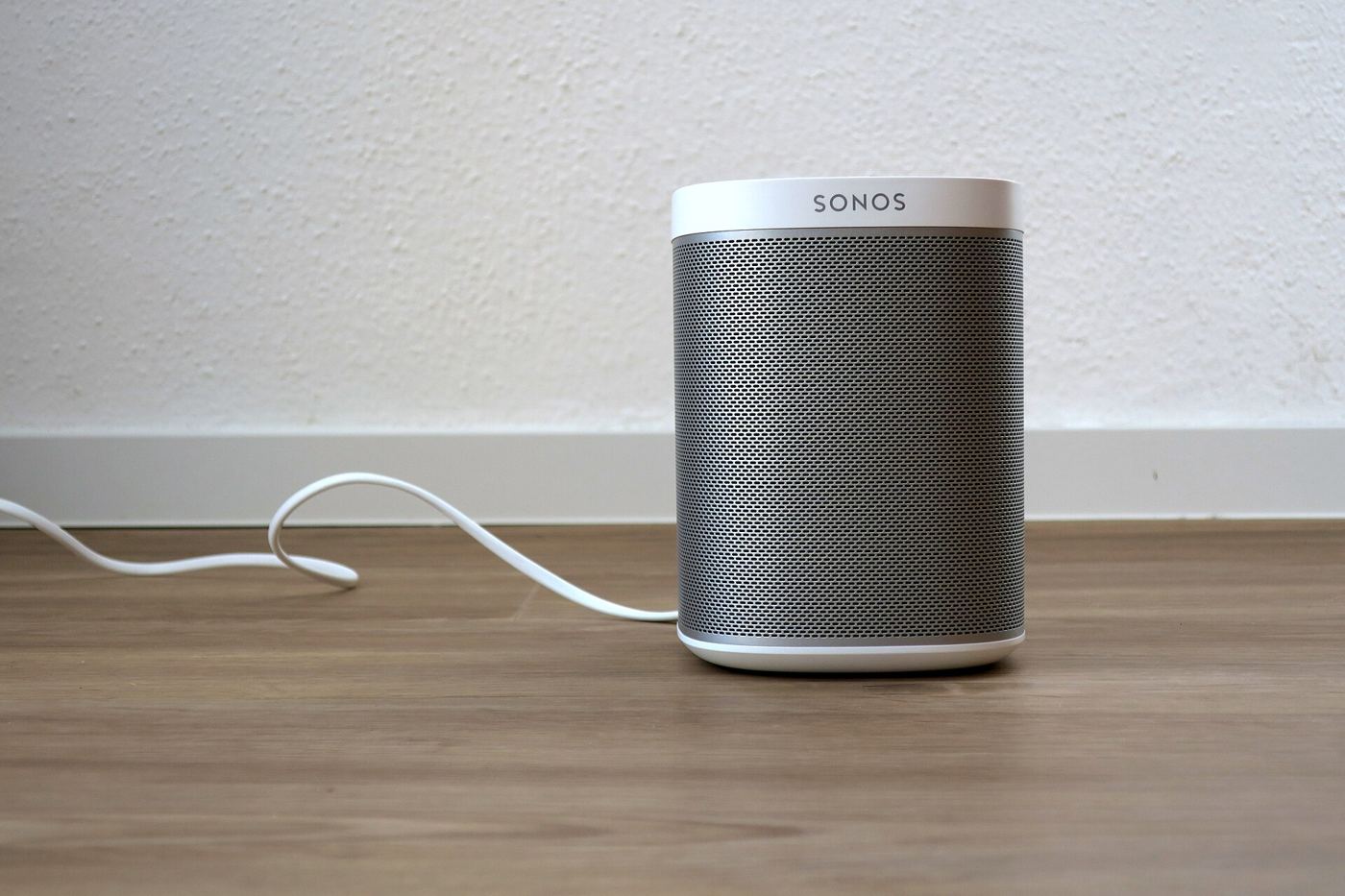
A small speaker on the kitchen shelf can now answer questions, play music, set timers and switch off the lights, all without anyone touching a screen. Voice assistants have moved from a novelty into the centre of many homes, where they read out the weather, add items to a shopping list and remind the family about appointments. The appeal is simple: hands full of cooking or cleaning need not stop to tap a phone. Parents ask for homework help, older relatives ask for the news, and children ask endless questions that the speaker answers patiently. The devices learn routines over time, so a single phrase in the morning can start the radio, read the calendar and turn on the heating. For busy households, the assistant has become a quiet helper that is always listening. The newest models can even tell voices apart, so each family member gets their own calendar, playlists and reminders without mixing them up.
What the Evidence Shows
Living with a voice assistant takes a little setup and a few sensible rules. The speaker should sit where the family actually spends time, such as the kitchen, and be linked to the services they use, like a music subscription or a calendar. Privacy deserves thought, since the device listens for its wake word and records requests, so users should know how to review and delete those recordings. Households with children can set limits on purchases and content. The devices also work best with a stable home network, as a weak connection makes answers slow and frustrating. Used with those limits in mind, a voice assistant is a modest gadget that earns its place, turning small daily tasks into spoken requests that take seconds. Regular updates add new skills over time, so a speaker bought two years ago can still learn to control a new lamp or answer fresh questions. Reporting and analysis from sources such as IEEE Spectrum track the same developments, and specialists following voice assistants say the direction is now consistent across independent lines of evidence.
The Wider Context
Adoption of voice assistants follows a familiar pattern with an unfamiliar speed. Early users tolerate rough edges in exchange for advantage, mainstream users arrive when the tool disappears into existing workflows, and the market consolidates around whoever made that transition feel effortless. Vendors are racing less on raw performance now than on integration, support and trust.
What Happens Next
The realistic forecast for voice assistants is steady integration rather than sudden replacement: embedded in products people already use, improving in increments, and regulated in proportion to its reach. The companies and institutions that plan on that basis, training staff and redesigning processes instead of chasing launches, are the ones the adoption data tends to vindicate. You can follow related developments in our coverage of technology.
It is also worth remembering how quickly the picture in this area has changed before. Positions that looked settled a few years ago have been revised as new data arrived, and the same humility is appropriate now. The strongest coverage of this subject, and the most useful advice, tends to come from sources that update their views openly when the facts move, rather than defending an earlier position long after it has stopped fitting the evidence available.
