

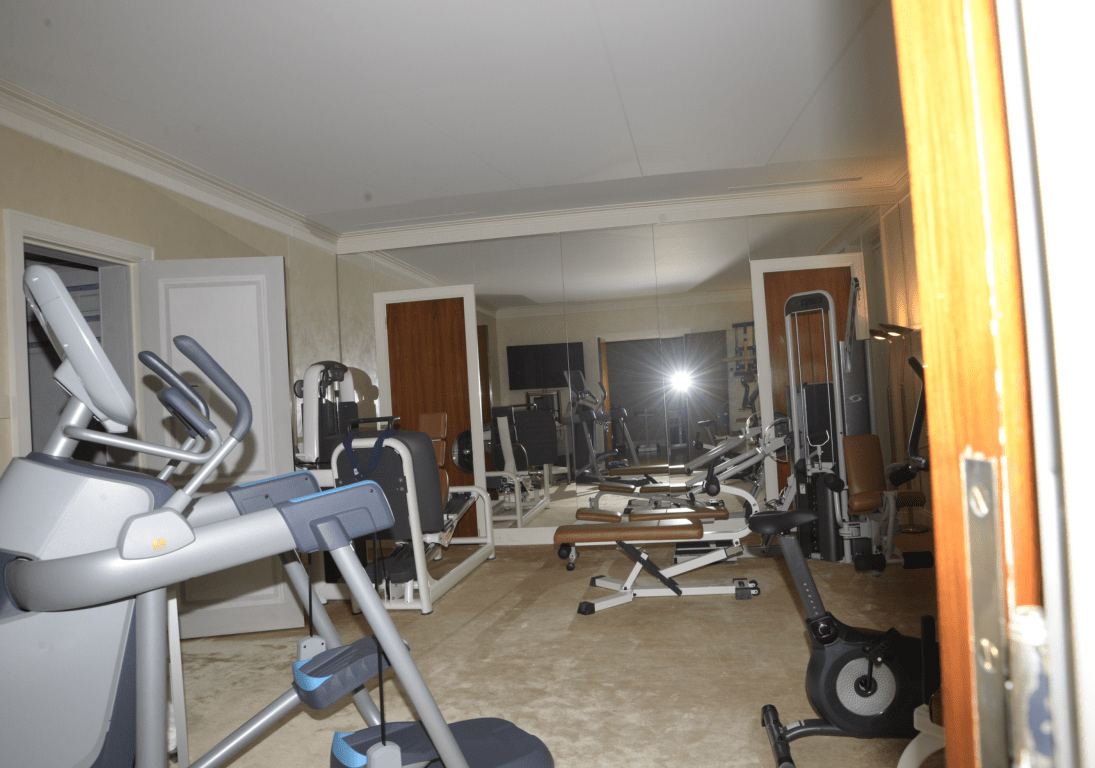
A mirror that doubles as a personal trainer sounds like science fiction, but smart mirrors are now appearing in living rooms and home gyms. When switched off, the device looks like an ordinary full-length mirror, but when it wakes up, a screen appears behind the glass showing a fitness instructor leading a workout. The mirror uses a camera and sensors to watch the user’s form, offering gentle corrections when a squat is too shallow or a back is rounded. Classes range from yoga and pilates to strength training and dance, and the user picks a session that fits the time they have. Because the mirror hangs on the wall, it takes up no floor space, which suits small flats where a treadmill or a rack of weights would never fit.
What the Evidence Shows
The appeal of the smart mirror is the combination of guidance and privacy. People who feel self-conscious in a gym can exercise at home with an instructor who cannot judge them, and they can pause or repeat a class whenever they like. Progress tracking adds motivation, since the mirror records how many sessions were completed and how the user’s form has improved over time. The main drawback is the price, which is far higher than a set of dumbbells, and most systems charge a monthly subscription for the class library. Buyers should also check the mirror’s size and weight before ordering, since it needs a strong wall fixing. For people who want structured workouts without leaving home, the smart mirror is an elegant, space-saving option. Reporting and analysis from sources such as MIT Technology Review track the same developments, and specialists following smart mirrors say the direction is now consistent across independent lines of evidence.
The Wider Context
The wider context is an industry learning to ship capability and restraint together. Products built around smart mirrors now launch with safety evaluations, usage data and rollback plans as standard, because enterprise buyers and regulators ask for them in the first meeting. Companies that treated those questions as friction are discovering they have become the purchase criteria.
What Happens Next
What happens next for smart mirrors depends less on another breakthrough than on the unglamorous work of reliability, pricing and support. The buyers evaluating it now are not enthusiasts; they are operators with budgets and auditors, and their checklists will decide the timeline. On the evidence of the current pilots, the technology has earned the right to be judged by them. You can follow related developments in our coverage of technology.
There is a practical lesson in all of this for readers deciding what to do today. Start with the verified facts, be wary of anyone promising certainty, and prefer reversible steps while the evidence is still developing. Circumstances differ by country, income and personal situation, so general guidance should always be weighed against your own context before you act on it in any significant or lasting way.
