

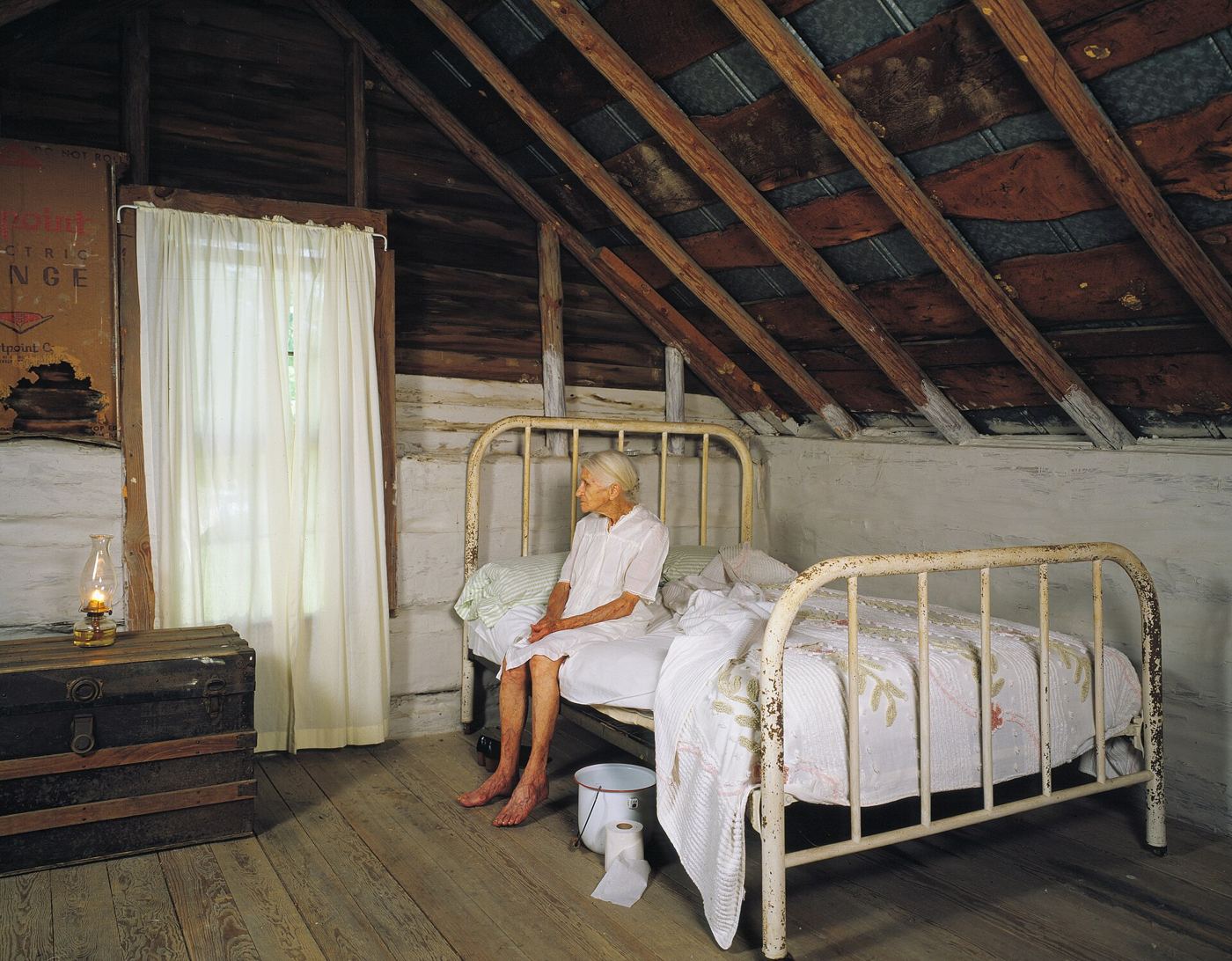
The body runs on a clock it sets for itself, and it works best when bedtime and waking time stay the same every day, including weekends. A regular sleep schedule trains that inner clock, so sleepiness arrives at roughly the same hour each night and waking feels easier in the morning. People who shift their bedtime by two hours at the weekend often feel groggy on Monday, a pattern sleep experts call social jet lag, even though they slept long enough. Steady timing also helps the body release its sleep hormones at the right moment and keeps deep sleep and dreaming sleep in their usual places through the night. The change costs nothing: pick a bedtime that allows seven to nine hours, keep it for a fortnight, and let the body settle into the rhythm.
What the Evidence Shows
Keeping the schedule takes a few small habits. A wind-down routine in the last half hour, such as dimming lights, putting the phone away and reading a few pages, signals to the body that sleep is near. Caffeine after mid-afternoon and bright screens in bed both push sleep later, so moving them earlier in the day helps the new bedtime hold. Morning light matters too: stepping outside or opening the curtains soon after waking resets the clock for the next night. Naps are fine if they are short and taken before mid-afternoon, but a long evening nap steals sleep from the night. If sleep does not come after twenty minutes, getting up for a quiet activity beats lying awake and worrying. Within a few weeks most people find they wake a few minutes before the alarm, rested and ready. Reporting and analysis from sources such as World Health Organization track the same developments, and specialists following regular sleep schedule say the direction is now consistent across independent lines of evidence.
The Wider Context
The wider context is a health system trying to move from treating illness late to preventing it early, against budgets that reward the opposite. Evidence around regular sleep schedule is being weighed by guideline committees that ask two questions in order: does it work, and can ordinary services actually deliver it at scale. Many good ideas pass the first test and stall on the second.
What Happens Next
What happens next for regular sleep schedule depends on the slow machinery of guidelines, funding and training catching up with the evidence. Patients asking about it today should expect honest answers that include uncertainty, and clinicians say a service that explains what is not yet known earns more trust than one that oversells. The research pipeline, at least, is moving in the right direction. You can follow related developments in our coverage of health.
There is a practical lesson in all of this for readers deciding what to do today. Start with the verified facts, be wary of anyone promising certainty, and prefer reversible steps while the evidence is still developing. Circumstances differ by country, income and personal situation, so general guidance should always be weighed against your own context before you act on it in any significant or lasting way.
