

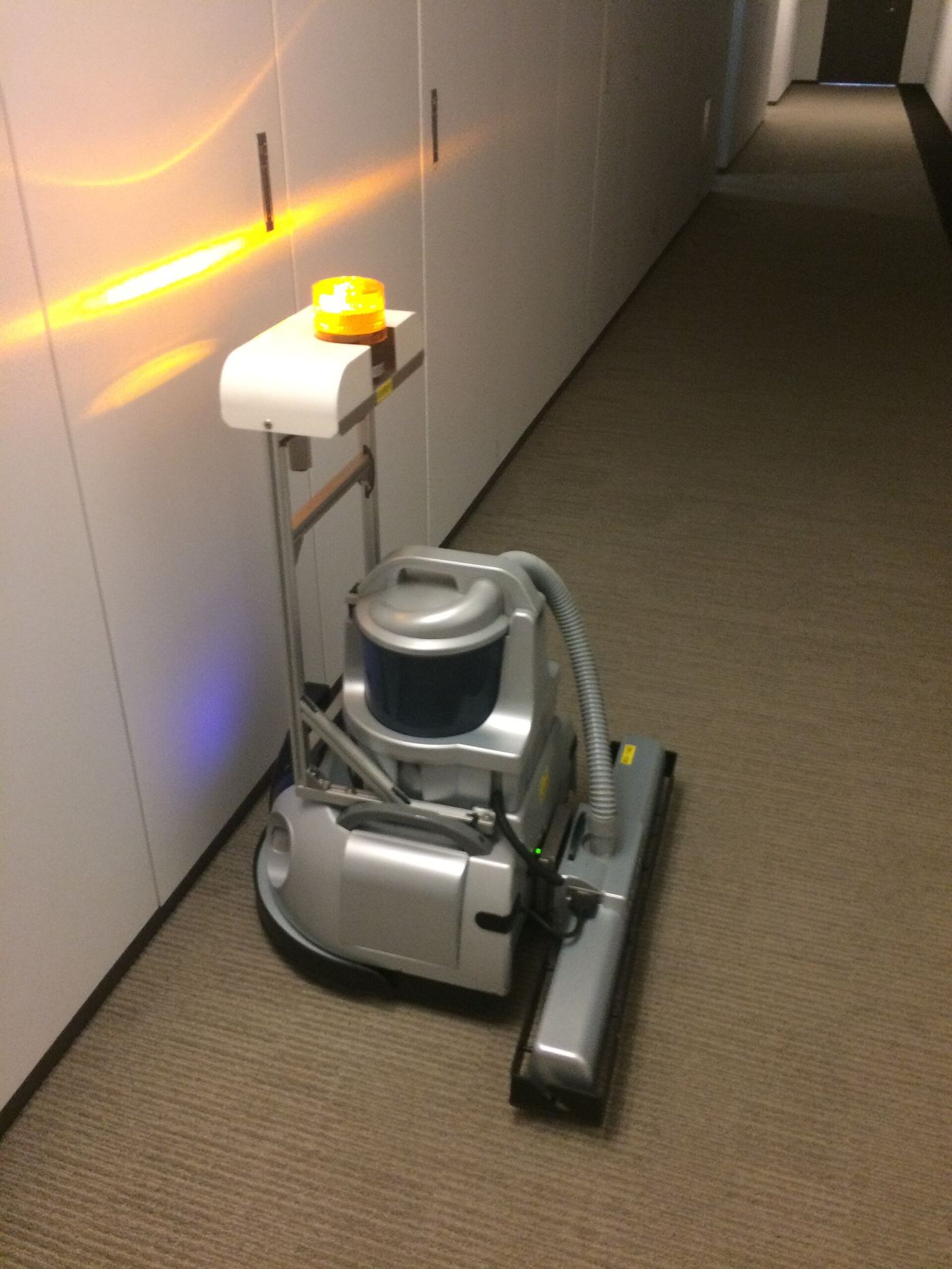
A robot vacuum is a flat disc that wanders the house on its own, sweeping up dust, crumbs and pet hair while its owner is at work or out shopping. Sensors and cameras map each room, so the machine learns where the furniture stands and plans a route that covers the floor without bumping into every chair leg. When the battery runs low it returns to its dock to recharge, and the better models empty their own dustbin into a bag at the base, so the owner only touches the dirt every few weeks. The machines are best at keeping a floor tidy day by day, picking up the dust that settles between deeper cleans. They work on hard floors and low carpets, and they slip under beds and sofas where a full-size vacuum cannot reach.
What the Evidence Shows
Choosing one starts with the home itself. A flat with hard floors suits a simple model, while a house with thick carpets and pets needs stronger suction and a brush that does not tangle with hair. Homes with stairs need a model that senses drops, and the best ones can store maps of several floors. Owners should clear cables, socks and small toys from the floor before the first run, since these are the things that trap a robot. A regular schedule, such as a daily run while the family is out, keeps dust from building up, and the app shows which rooms were cleaned. The dustbin and brushes need a quick clean each week to keep suction strong. Used this way, the robot does the dull daily work and leaves the deeper weekend clean far quicker. Reporting and analysis from sources such as IEEE Spectrum track the same developments, and specialists following robot vacuums say the direction is now consistent across independent lines of evidence.
The Wider Context
Adoption of robot vacuums follows a familiar pattern with an unfamiliar speed. Early users tolerate rough edges in exchange for advantage, mainstream users arrive when the tool disappears into existing workflows, and the market consolidates around whoever made that transition feel effortless. Vendors are racing less on raw performance now than on integration, support and trust.
What Happens Next
The realistic forecast for robot vacuums is steady integration rather than sudden replacement: embedded in products people already use, improving in increments, and regulated in proportion to its reach. The companies and institutions that plan on that basis, training staff and redesigning processes instead of chasing launches, are the ones the adoption data tends to vindicate. You can follow related developments in our coverage of technology.
It is also worth remembering how quickly the picture in this area has changed before. Positions that looked settled a few years ago have been revised as new data arrived, and the same humility is appropriate now. The strongest coverage of this subject, and the most useful advice, tends to come from sources that update their views openly when the facts move, rather than defending an earlier position long after it has stopped fitting the evidence available.
