

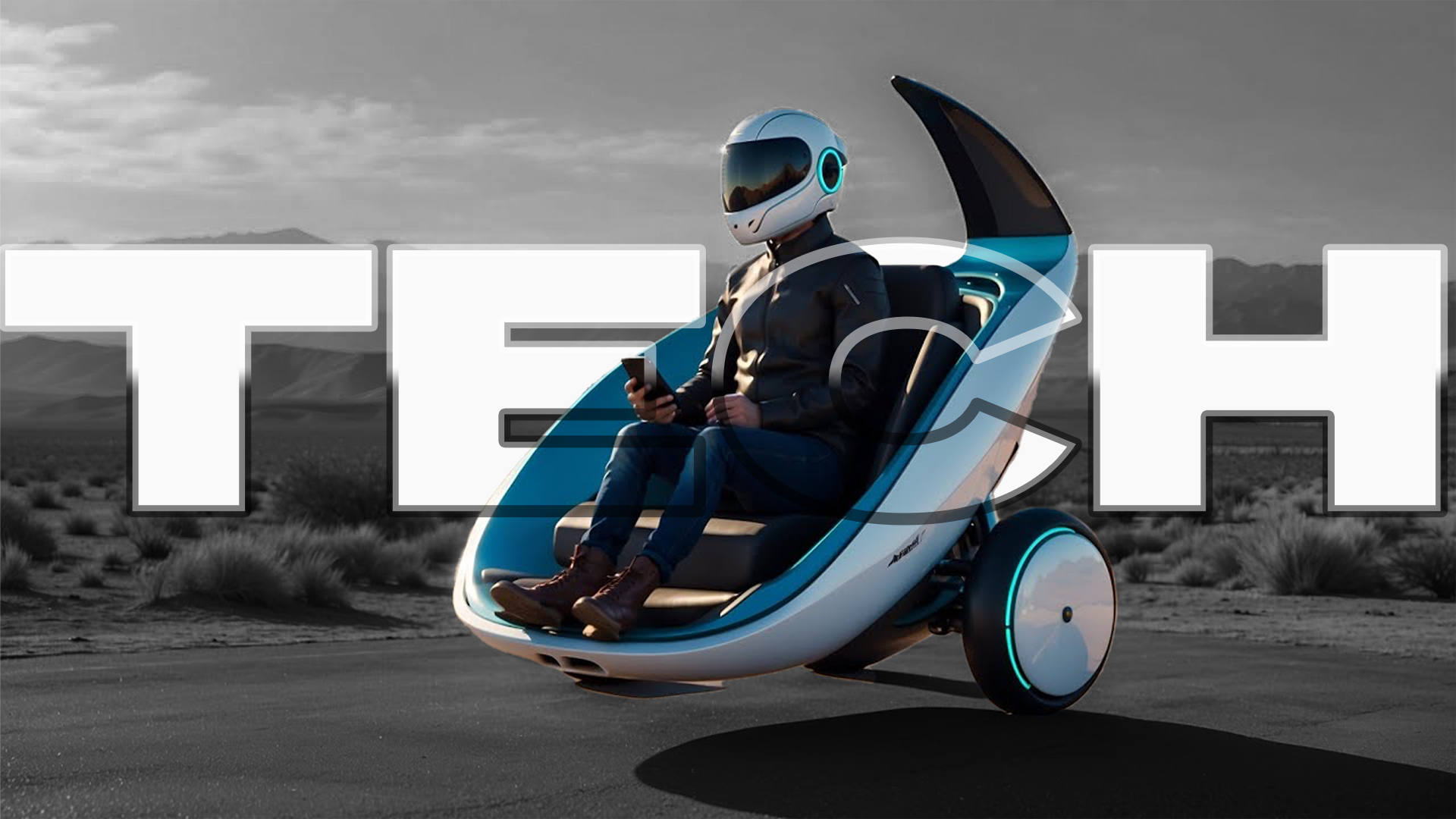
Technology is evolving at a speed that often feels closer to science fiction than reality.Innovations once imagined in futuristic movies are now becoming part of everyday life.From intelligent machines to immersive digital environments, the world is transforming rapidly.These advancements are reshaping how we work, travel, communicate, and experience reality itself.
Artificial Intelligence Breakthroughs
AI-powered personal assistants
AI-powered personal assistants are becoming more advanced, offering human-like conversation, scheduling, and decision support. They can understand context, predict user needs, and automate daily tasks with remarkable accuracy. Businesses and individuals use them to increase productivity, reduce workload, and improve efficiency, making everyday digital interactions smoother and more intuitive than ever before.
Generative AI creativity tools
Generative AI tools are revolutionizing creative industries by producing text, images, music, and videos in seconds. These systems learn patterns from massive datasets and generate original content that feels human-made. Designers, marketers, and creators now use them to speed up production, explore ideas, and unlock creative possibilities that were previously time-consuming or expensive.
Predictive intelligence systems
Predictive intelligence systems analyze large datasets to forecast future outcomes with impressive accuracy. They are widely used in healthcare, finance, and marketing to anticipate trends, detect risks, and optimize decision-making. By identifying hidden patterns in data, these systems help organizations act proactively instead of reactively, improving results and reducing uncertainty in complex environments.
AI-driven healthcare diagnostics
AI-driven healthcare diagnostics are transforming medical science by detecting diseases earlier and more accurately. Advanced algorithms analyze scans, reports, and patient history to support doctors in diagnosis and treatment planning. This technology reduces human error, speeds up medical decisions, and improves patient outcomes, making healthcare more efficient, accessible, and reliable worldwide.
Robotics and Automation
Autonomous service robots
Autonomous service robots are now used in hotels, restaurants, and hospitals to perform tasks such as cleaning, delivery, and customer assistance. These robots navigate environments independently using sensors and AI. They help reduce human workload, improve service efficiency, and operate continuously without fatigue, making them valuable assets in modern industries.
Industrial smart automation
Industrial automation systems are becoming highly intelligent, using robotics and AI to manage manufacturing processes. These systems can assemble products, monitor quality, and adjust operations in real time. By reducing errors and increasing speed, smart factories improve productivity and lower production costs, shaping the future of global manufacturing industries.
Human-like robotic companions
Human-like robots are designed to interact naturally with people through speech, gestures, and emotional recognition. They are used in education, healthcare, and customer service to provide assistance and companionship. These robots are continuously improving, making interactions more realistic and emotionally responsive, bridging the gap between machines and human communication.
Self-learning robotic systems
Self-learning robots use machine learning algorithms to improve their performance over time without constant human programming. They adapt to new environments, learn from experience, and optimize their actions. This capability makes them highly effective in unpredictable situations such as disaster response, exploration, and advanced industrial tasks requiring flexibility and intelligence.
Immersive Digital Worlds
Virtual reality experiences
Virtual reality technology creates fully immersive digital environments where users can interact as if they were physically present. It is widely used in gaming, education, and training simulations. VR enhances learning and entertainment by offering realistic experiences that engage multiple senses, making digital interaction more immersive and impactful than traditional screens.
Augmented reality integration
Augmented reality overlays digital information onto the real world using smartphones or smart glasses. It is used in navigation, shopping, education, and design to enhance real-world experiences. AR helps users visualize data and objects in their physical environment, improving understanding and decision-making through interactive and context-aware digital enhancements.
Mixed reality environments
Mixed reality combines physical and digital worlds, allowing real-time interaction between virtual objects and real surroundings. It is used in design, engineering, and training simulations where users manipulate digital elements in real space. This technology enhances collaboration, creativity, and problem-solving by blending reality with advanced computational visuals seamlessly.
Metaverse expansion systems
The metaverse is an evolving digital universe where users interact, work, and socialize in virtual spaces. Powered by VR, AR, and blockchain technologies, it creates interconnected digital economies and communities. As it grows, it is expected to transform entertainment, education, and business by offering fully immersive online experiences.
Future Transportation Tech
Self-driving vehicle systems
Self-driving vehicles use sensors, cameras, and AI algorithms to navigate roads without human intervention. They analyze traffic, detect obstacles, and make real-time driving decisions. This technology aims to reduce accidents, improve traffic flow, and provide safer, more efficient transportation systems that could redefine how people travel in the future.
Hyperloop transportation concepts
Hyperloop systems propose ultra-fast travel using low-pressure tubes that allow pods to move at extremely high speeds. This innovation could drastically reduce travel time between cities. It is designed to be energy-efficient and environmentally friendly, offering a futuristic alternative to traditional rail and air transport systems.
Electric mobility innovations
Electric vehicles are rapidly evolving with improved battery technology, longer range, and faster charging capabilities. These innovations reduce dependency on fossil fuels and lower carbon emissions. Governments and companies are investing heavily in electric mobility to create cleaner, more sustainable transportation solutions for urban and long-distance travel.
Drone-based delivery systems
Drone delivery systems are transforming logistics by enabling fast and automated delivery of goods. These flying devices can transport packages directly to customers, reducing delivery times and costs. They are especially useful in remote or congested areas, making supply chains more efficient and responsive to modern consumer demands.
FAQs
What makes these technologies futuristic?
They combine AI, automation, and advanced engineering to solve real-world problems in innovative ways.
Are these technologies already in use?
Yes, many are already partially implemented in industries like healthcare, transport, and entertainment.
Will AI replace human jobs?
AI will automate tasks but also create new job opportunities in advanced fields.
How does VR help education?
VR creates immersive learning environments that improve understanding through interactive experiences.
Is self-driving technology safe?
It is improving rapidly, but full safety depends on continued testing and regulation.
Conclusion
Technology innovations are rapidly transforming the world into something that once belonged only in science fiction stories. Artificial intelligence, robotics, immersive digital environments, and futuristic transportation systems are reshaping industries and daily life. These advancements improve efficiency, safety, and creativity across sectors. As development continues, humanity moves closer to a fully connected, intelligent, and automated future that promises endless possibilities and profound global impact across all aspects of modern civilization.