

Introduction
As temperatures rise, wasps become more noticeable around gardens, patios, outdoor dining spaces and commercial buildings. Their presence is a natural part of the warmer months, but problems can arise when a colony develops close to the places people use every day.
For homeowners, the concern may begin with wasps flying around a shed or roofline. For businesses, repeated activity near customer entrances or outdoor seating can affect the comfort of staff and visitors. Understanding why wasps become more active and knowing when to seek assistance can help prevent unnecessary disruption.
Why Wasp Activity Changes During the Year
A wasp colony develops over time rather than appearing at full size overnight. In spring, a queen typically begins establishing a nest in a sheltered location. As the colony grows, worker wasps take on the task of collecting food and maintaining the nest.
During the warmer months, increased numbers of worker wasps can make their presence more noticeable. They may search for insects, nectar, fruit and sugary food around residential gardens and business premises.
Towards late summer, wasps can become particularly troublesome around outdoor meals, drinks and waste containers. This does not necessarily mean that a nest is located directly beside the area where they are seen. However, persistent activity around one part of a building may warrant further investigation.
Recognising these seasonal patterns helps property owners understand what they are seeing and decide whether professional advice is needed.
Where Wasps Commonly Establish Their Nests
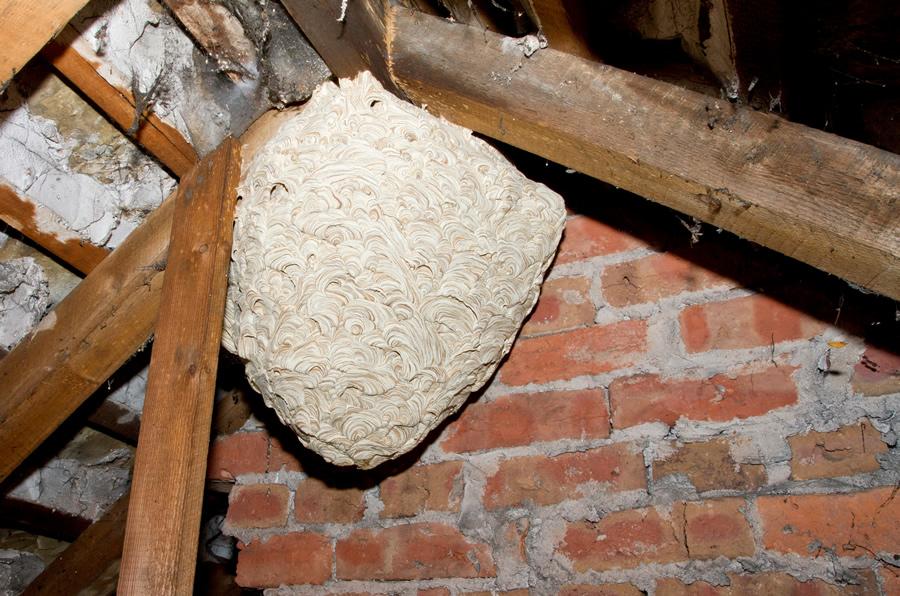
Wasps often select places that provide shelter from rain, wind and other disturbances. Residential properties can offer several suitable locations, including lofts, roof eaves, sheds, garages and wall cavities.
Garden structures may also provide sheltered spaces for nesting. In some cases, a nest develops in a tree or another outdoor location where it may be less likely to interfere with everyday activities.
The main concern is not simply whether a nest exists, but how close it is to people and how easily it could be disturbed. A nest beside a frequently used path may present a greater practical problem than one in a remote part of a garden.
If you notice wasps repeatedly entering and leaving the same opening, avoid approaching the area to investigate. A qualified pest management professional can assess the situation and recommend an appropriate course of action.
When to Call a Wasp Exterminator
Occasional wasp sightings around flowers or outdoor food are not always a reason to arrange treatment. However, a consistent pattern of activity near a building or busy outdoor area may indicate a more significant issue.
Consider seeking professional assistance when wasps repeatedly enter a roof space, gather around a doorway or appear to be nesting near a place used by children, employees or customers.
A professional Wasp Exterminator can assess the likely nesting location and determine whether treatment is appropriate. This is particularly valuable when the nest is concealed, elevated or positioned where direct access would be difficult.
Early assessment can also help prevent people from accidentally disturbing the colony while carrying out gardening, cleaning or building maintenance.
What Makes Professional Treatment Different?
Removing an active wasp nest involves understanding the species, the nest location and the potential risks around the affected area. A treatment that might be suitable for one accessible nest may not be appropriate for a colony inside a wall cavity or roof space.
A pest control technician can inspect the site and choose a method that suits the circumstances. Professional treatment may involve a targeted insecticide or another appropriate approach, depending on accessibility and the level of activity.
The technician can explain any restrictions that should remain in place while the treatment takes effect. Wasps may continue to appear for a period after treatment, so occupants should follow the advice provided rather than attempting to remove the nest immediately.
Professional assistance also helps reduce the risks associated with climbing ladders, handling chemicals or trying to dismantle a nest without appropriate protection.
Simple Ways to Reduce Wasps Around Outdoor Areas
Although there is no guaranteed way to prevent wasps from visiting a property, a few practical habits can make outdoor spaces less attractive as food sources.
Keep food covered when eating outside and use lids on sugary drinks. Clean up spills promptly and remove fallen fruit from lawns and patios. Household rubbish should be placed in secure containers, with waste areas kept as clean as reasonably possible.
Businesses that serve food should pay particular attention to outdoor tables, waste storage and areas where sweet drinks are prepared or consumed.
These measures help limit easy access to food, but they will not necessarily stop wasps from nesting nearby. If a colony has already established itself, removing attractive food sources is not a substitute for an appropriate assessment of the nest.
Avoiding Common Mistakes Around Active Nests
One of the most important precautions is to avoid disturbing a suspected nest. Knocking it down, spraying random chemicals into the entrance or attempting to seal a gap can provoke defensive behaviour and make the problem harder to manage.
Do not climb onto a roof or use a ladder to inspect a nest at close range. Keep children and pets away from the area, and inform other occupants if the nest is close to a shared entrance or walkway.
If wasps are entering a building, do not attempt to block their route without professional guidance. They may find another opening, creating additional problems inside the property.
Anyone who develops signs of a serious allergic reaction after a sting, including difficulty breathing or swelling of the throat, should seek emergency medical assistance immediately.
Wasp Nest Removal for Residential and Commercial Properties
Different properties present different challenges. A nest near a family garden may require a different approach from one beside a restaurant entrance, office walkway or warehouse loading area.
For landlords and property managers, reports from tenants should be assessed promptly, especially when a suspected nest affects access to the building. Businesses should also ensure that staff know how to report wasp activity rather than attempting to deal with the nest independently.
The Exterminator Pest Control provides domestic and commercial pest management services in Chelmsford, Essex and surrounding areas. Customers can explore its services for dealing with wasp problems and other common pests.
For property owners who need professional Wasp nest removal, the company's dedicated service page provides a starting point for learning more and making an enquiry.
Preparing for a Professional Visit
When arranging a pest control visit, explain where the wasps have been seen and how frequently they appear. Mention any repeated movement around a particular roof edge, wall opening, shed or garden structure.
It is also helpful to explain whether the affected area is used by children, pets, employees or customers. This information allows the technician to understand the setting before assessing the nest.
Avoid carrying out your own removal attempt before the visit. Leaving the suspected nesting area undisturbed can help prevent unnecessary exposure and make the assessment safer.
After the treatment, follow the technician's instructions regarding access, continued activity and any recommended maintenance.
Conclusion
Seasonal wasp activity is common, but a nest close to a home or workplace can become a safety concern when people regularly pass nearby. Understanding the insects' behaviour, maintaining clean outdoor spaces and recognising repeated activity around a possible nesting site can help property owners respond sensibly.
When a nest is established in a troublesome location, professional Wasp nest removal can provide a more appropriate solution than attempting to handle the colony independently. A site assessment helps determine the safest practical treatment and the precautions needed afterwards.