

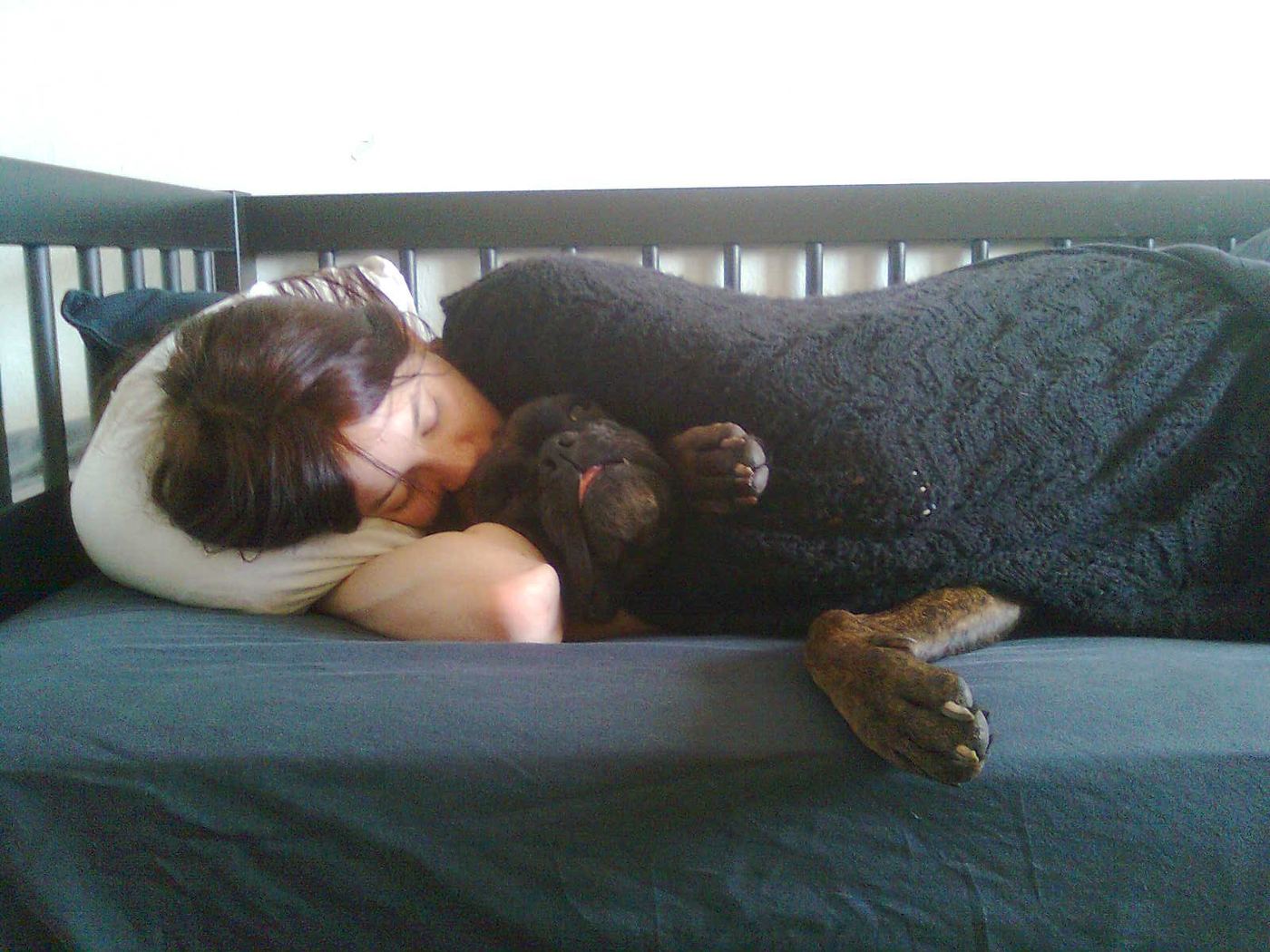
A third of human life is now measured. Sleep rings tally deep-sleep minutes, watches grade the night like an exam, mattresses adjust their temperature by algorithm, and lamps simulate dawn to wake their owners gently. Sleep technology has escaped the research lab and colonised the bedroom, a migration tracked across our health and wellness coverage — driven by a culture that is simultaneously exhausted and obsessed with optimising the exhaustion away.
The devices are genuinely impressive. Modern trackers estimate sleep stages from heart rate, movement and temperature with accuracy that, while short of clinical polysomnography, reliably reveals patterns: the late coffee’s fingerprint, alcohol’s theft of deep sleep, the weekend lie-in that quietly shifts the body clock two time zones east. For users with undiagnosed snoring or irregular rhythms, the data has prompted medical checks that mattered.
When measurement becomes the problem
Sleep clinicians have coined a term for the downside: orthosomnia — insomnia caused by anxiety about sleep scores. Patients arrive distressed by imperfect data from devices that were supposed to reassure them, chasing a perfect night the way dieters chase a number. The guidance from bodies such as the Sleep Foundation is consistent: treat tracker data as a trend, not a verdict, and let how you feel outrank what the ring reports.
The interventions with real evidence are unglamorous beside the gadgets. Consistent wake times. A cool, dark, quiet room. Light exposure in the morning, screens dimmed at night, caffeine curfewed by early afternoon. Where technology earns its place is in service of these habits — lamps that enforce the darkness, alarms that protect the wake time, apps that deliver proven insomnia therapy (CBT-I) at a fraction of clinic cost.
The bedroom, redesigned by data
The market’s direction is toward invisibility: sensors in mattresses and bedside radars that measure without wearables, feeding environments that tune temperature and light automatically through the night. The promise is a bedroom that manages sleep the way a thermostat manages warmth — quietly, and without homework.
Employers discover the night shift
Sleep has acquired a constituency outside the bedroom: employers. Fatigued staff make errors, have accidents and resign; the economics have pushed large companies into sleep programmes, nap-friendly policies and, in safety-critical industries, fatigue monitoring with the seriousness once reserved for machinery maintenance. The armed forces and hospitals — professions where a tired human is a measurable hazard — now treat sleep scheduling as operational planning. Critics warn of a boundary worth guarding: an employer’s interest in a worker’s rest can slide toward surveillance of the bedroom, and the line between offering help and auditing lifestyles needs explicit rules. But the direction of travel flatters the science. A culture that once bragged about sleeplessness now budgets for sleep — and its technology, for once, is being used to protect an ancient rhythm rather than interrupt it.
The oldest sleep advice remains the newest finding: regularity beats intensity, and rest is a rhythm, not a score. Technology at its best simply keeps the beat — then gets out of the way and lets the night do what it has always done.
