

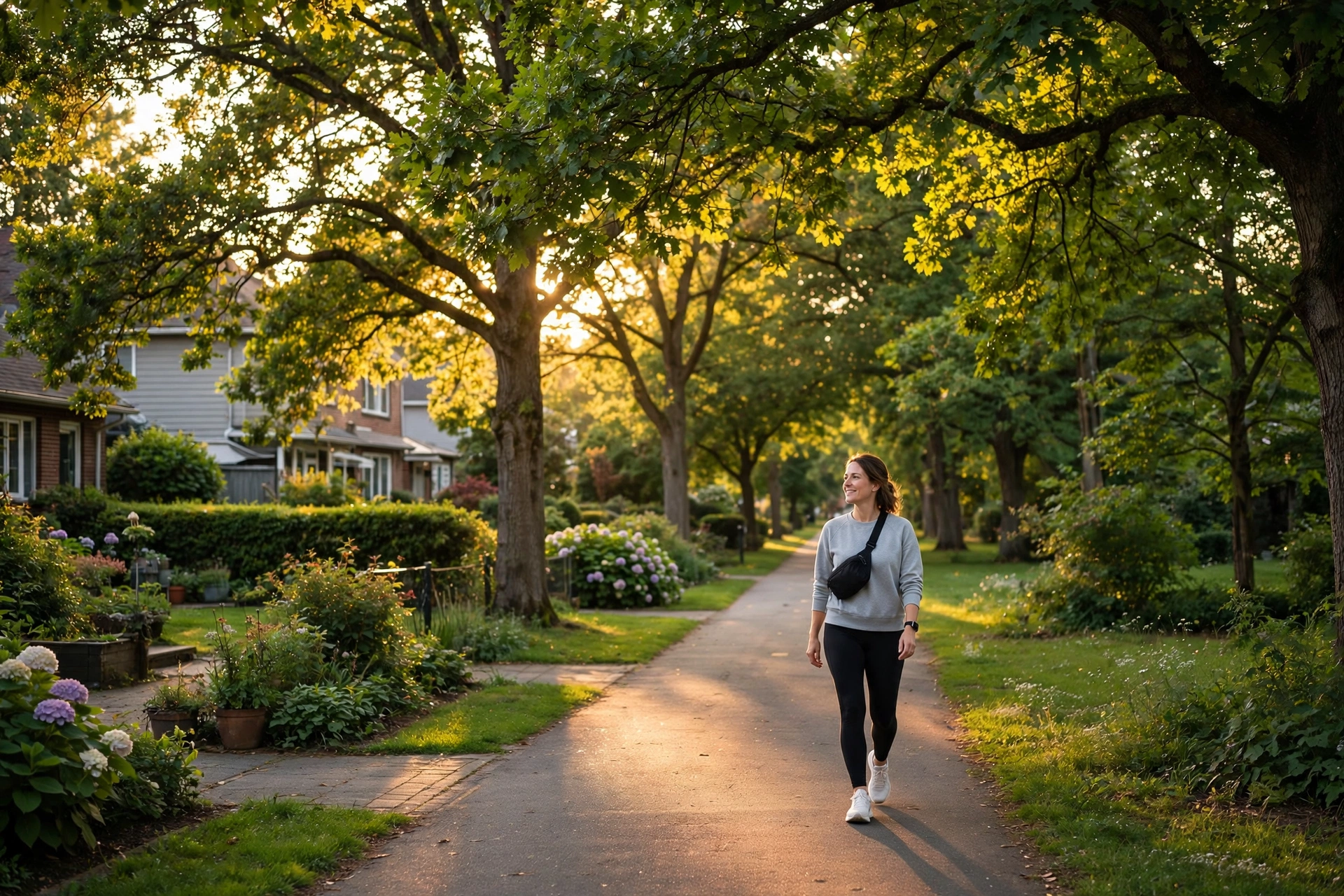
It requires no gym membership, no special equipment and no app subscription. Yet the simple habit of taking a short walk after meals has become one of the most talked-about health practices of 2026, shared by doctors, dietitians and millions of people posting their post-dinner strolls online. Known in some traditions as the “hundred steps after a meal,” the idea is now backed by a growing body of research on blood sugar, digestion and everyday energy.
Why Timing Matters More Than Intensity
After you eat, glucose from your meal enters the bloodstream and blood sugar naturally rises. A gentle walk at exactly this moment gives your muscles a reason to draw that glucose out of the blood and use it for energy. Studies on post-meal walking have found that even two to five minutes of light movement after eating can noticeably soften the glucose spike that follows a meal, while a relaxed ten to fifteen minute walk offers an even stronger effect.
The key point is that the walk does not need to be brisk or exhausting. A comfortable pace — the kind you could hold while chatting with a friend — is enough. What matters is that the movement happens soon after the meal, ideally within the first half hour, when blood sugar is climbing toward its peak. Healthline’s overview of walking after eating reaches a similar conclusion: short, easy walks after meals are linked with better blood sugar control and easier digestion for most healthy adults.
Benefits Beyond Blood Sugar
Blood sugar may be the headline benefit, but it is not the only one. Many people who adopt the habit report less bloating and heaviness after eating, because gentle movement supports the stomach’s natural rhythm and helps food move through the digestive system. Others notice that an after-dinner walk reduces the late-evening slump that often leads to snacking in front of the television.
There is also a mental side to it. A short walk after lunch can clear the afternoon fog far better than another coffee, and an evening stroll gives the day a natural closing point. The Mayo Clinic notes that regular walking in general supports heart health, mood, sleep quality and weight management — and anchoring the walk to a meal makes it much easier to keep the routine going day after day. For more everyday wellbeing ideas, browse our Health section, where we cover the habits and research shaping healthier routines.
How to Build the Habit
The beauty of post-meal walking is that it attaches neatly to something you already do three times a day. Start with the meal that is easiest for you — for most people that is dinner. Put your shoes by the door, leave the washing up for later, and head out for ten minutes as soon as the plates are cleared. If the weather is poor, walking around the house, tidying up or climbing a few flights of stairs still counts as light post-meal movement.
A few practical tips make it stick:
- Keep it short at first. Five minutes is a genuine success. You can build up gradually.
- Walk with someone. A partner, a child or a dog turns the habit into time you look forward to.
- Leave your phone in your pocket. Let the walk double as a screen break, especially after dinner.
- Pair it with an existing cue. Coffee finished, shoes on — a consistent trigger builds an automatic routine.
Who Should Be Careful
Post-meal walking is safe for most people, but it is not for everyone in every situation. People who manage diabetes with insulin or other medication should speak to their doctor before changing activity around meals, since movement can affect glucose levels. Anyone who feels dizzy, nauseous or experiences reflux after eating may do better with a shorter, slower stroll — or with waiting a little longer before setting out. And as with any new habit, chest pain or breathlessness is a signal to stop and seek medical advice.
It is also worth remembering that a post-meal walk is a complement to, not a replacement for, regular exercise and a balanced diet. Think of it as one reliable building block in a wider routine — much like staying ahead of seasonal illness, which we covered in our recent look at early vaccination and this season’s flu outlook.
The Bottom Line
In a wellness world full of expensive gadgets and complicated protocols, the after-meal walk stands out for being almost laughably simple. Ten minutes, a comfortable pair of shoes and a door to walk out of — that is the entire programme. Do it after one meal a day for two weeks and pay attention to your energy, your digestion and your evening cravings. The chances are high that this smallest of habits will quietly become the one you protect the most.