

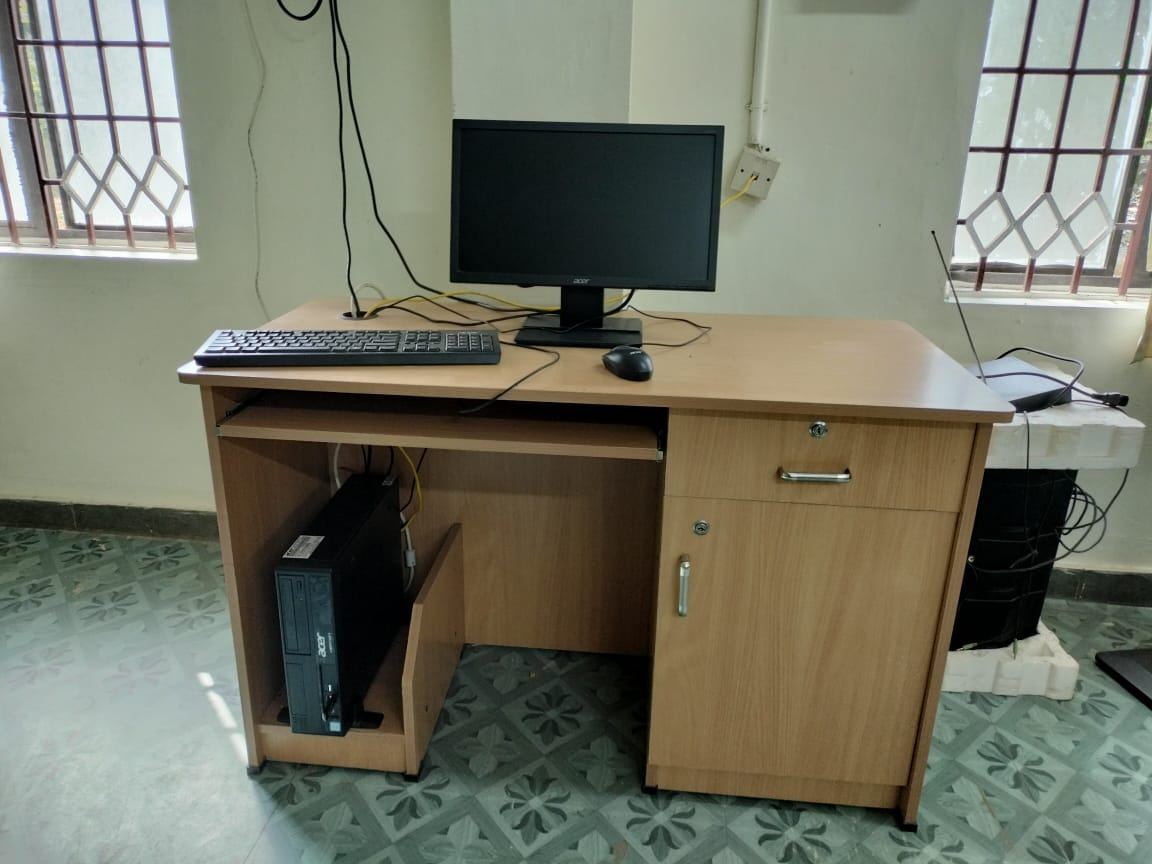
Working from a laptop alone can feel cramped, with windows stacked on top of each other and constant switching between tabs. A portable monitor solves the problem by adding a second screen that slips into a bag alongside the laptop. The screens are thin and light, usually between thirteen and sixteen inches, and they connect with a single USB-C cable that carries both power and picture. Remote workers can set one up on a kitchen table, a train seat or a hotel desk in under a minute, gaining the same two-screen setup they enjoy in the office. The extra space makes it easier to keep a document open on one screen while researching on the other, and video calls become less fiddly when notes stay visible beside the call window.
What the Evidence Shows
Choosing a portable monitor starts with brightness and resolution, since a dim screen is hard to read near a window and a low resolution makes text look fuzzy. A built-in stand or a folding cover that doubles as a stand keeps the screen upright without extra accessories. Some models include a touchscreen, which suits drawing or quick navigation, though it adds cost. Battery life is rarely an issue, because the monitor draws power from the laptop, but heavy use can drain the laptop faster, so a charger nearby helps. Prices have fallen as the screens became more common, and the cheapest models now cover everyday office work well. For anyone who works away from a desk, a portable monitor is a small upgrade that makes a large difference. Reporting and analysis from sources such as IEEE Spectrum track the same developments, and specialists following portable monitors say the direction is now consistent across independent lines of evidence.
The Wider Context
Adoption of portable monitors follows a familiar pattern with an unfamiliar speed. Early users tolerate rough edges in exchange for advantage, mainstream users arrive when the tool disappears into existing workflows, and the market consolidates around whoever made that transition feel effortless. Vendors are racing less on raw performance now than on integration, support and trust.
What Happens Next
The realistic forecast for portable monitors is steady integration rather than sudden replacement: embedded in products people already use, improving in increments, and regulated in proportion to its reach. The companies and institutions that plan on that basis, training staff and redesigning processes instead of chasing launches, are the ones the adoption data tends to vindicate. You can follow related developments in our coverage of technology.
It is also worth remembering how quickly the picture in this area has changed before. Positions that looked settled a few years ago have been revised as new data arrived, and the same humility is appropriate now. The strongest coverage of this subject, and the most useful advice, tends to come from sources that update their views openly when the facts move, rather than defending an earlier position long after it has stopped fitting the evidence available.
