

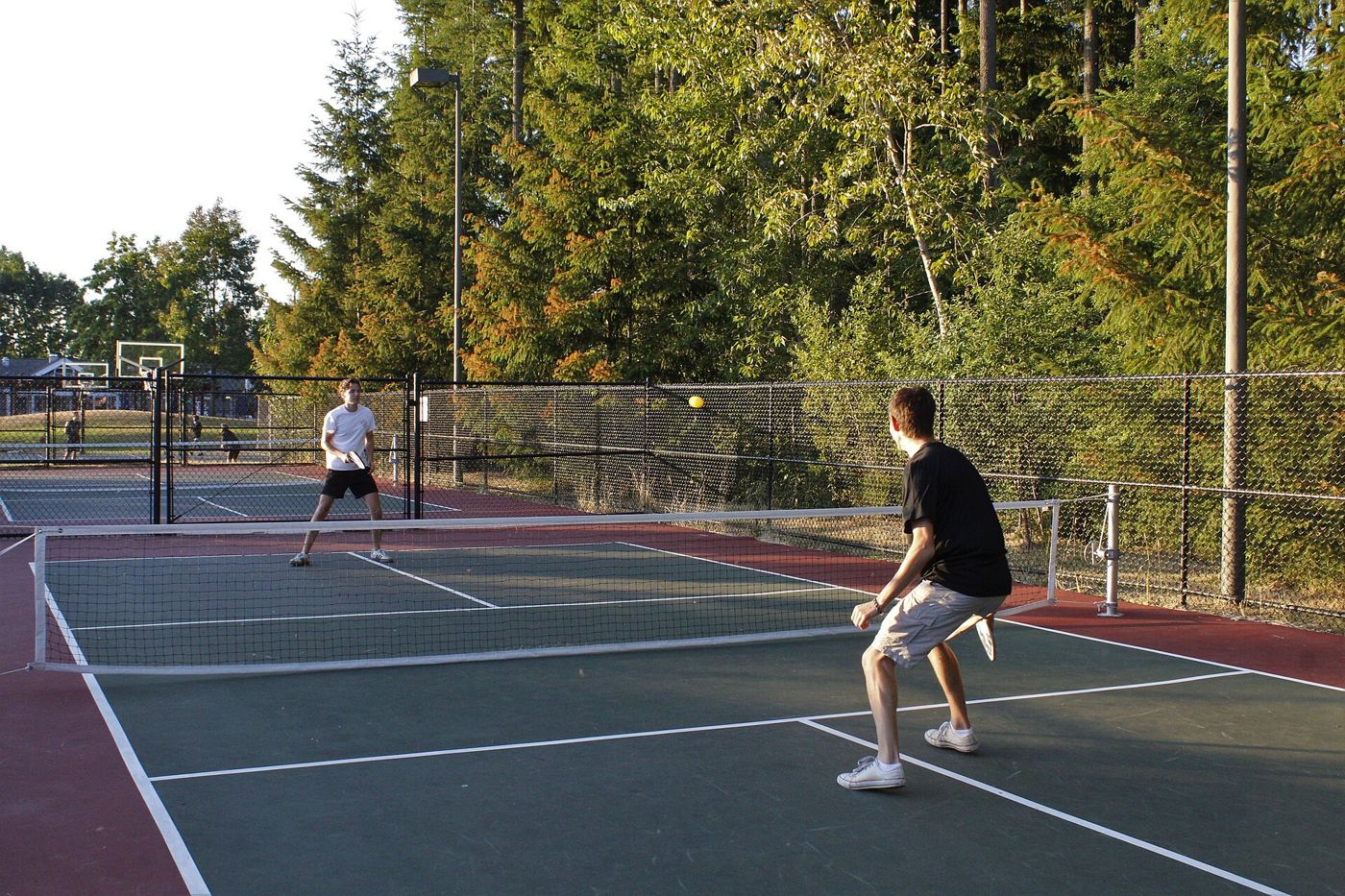
Pickleball began in 1965 as a garden game on Bainbridge Island, near Seattle, and sixty years later it is the fastest-growing sport in the United States. The Sports and Fitness Industry Association counted 24.3 million Americans playing pickleball in 2025, up from 4.2 million in 2020, a rise of 479 percent, and the sport has now held the title of America’s fastest-growing sport for five consecutive years. About 7.5 million of those players are regulars who play eight or more times a year, and women make up 42.9 percent of all players. The game’s youngest fans are driving the boom: players aged 13 to 24 now have the highest participation rate of any age group, overturning the idea that pickleball is a sport for retirees. Courts have followed the players, with USA Pickleball counting 82,613 courts at 18,258 locations, and the game is played with a perforated plastic ball on a court about a third the size of a tennis court.
What the Evidence Shows
The appeal is easy to see. The court is small, the ball moves slowly, and the underhand serve keeps rallies going, so a beginner can enjoy a real game within an hour, while the short bursts of movement still raise the heart rate and sharpen balance and reflexes. It is also a social game: doubles is the usual format, games last about fifteen minutes, and players rotate partners at busy courts, which is part of why clubs and community centres have embraced it. There are cautions too. Doctors report a rise in ankle sprains, knee strains and eye injuries as new players, many of them former tennis players, lunge for shots their bodies are not ready for, so a warm-up, court shoes with lateral support and protective glasses are sensible. Starting is cheap: a paddle and a ball cost far less than a tennis racket, most public courts are free, and a single group lesson is enough to learn the scoring, which is famously the hardest part of the game. Reporting and analysis from sources such as The Lancet track the same developments, and specialists following pickleball say the direction is now consistent across independent lines of evidence.
The Wider Context
Equity runs through every discussion of pickleball. Interventions that require apps, fees or free weekday afternoons reliably reach the people who need them least, so the programmes earning praise are those designed around clinics, workplaces and community venues that already serve everyone. Evaluation reports now publish uptake by income and region as a matter of routine.
What Happens Next
The practical takeaway on pickleball is deliberately unglamorous: it works best as part of ordinary, well-delivered care rather than as a standalone fix. Health services are planning on that basis, building the referral routes and follow-up that turn a promising result into population benefit. The gains arrive slowly and then, in the statistics, unmistakably. You can follow related developments in our coverage of health.
It is also worth remembering how quickly the picture in this area has changed before. Positions that looked settled a few years ago have been revised as new data arrived, and the same humility is appropriate now. The strongest coverage of this subject, and the most useful advice, tends to come from sources that update their views openly when the facts move, rather than defending an earlier position long after it has stopped fitting the evidence available.
