

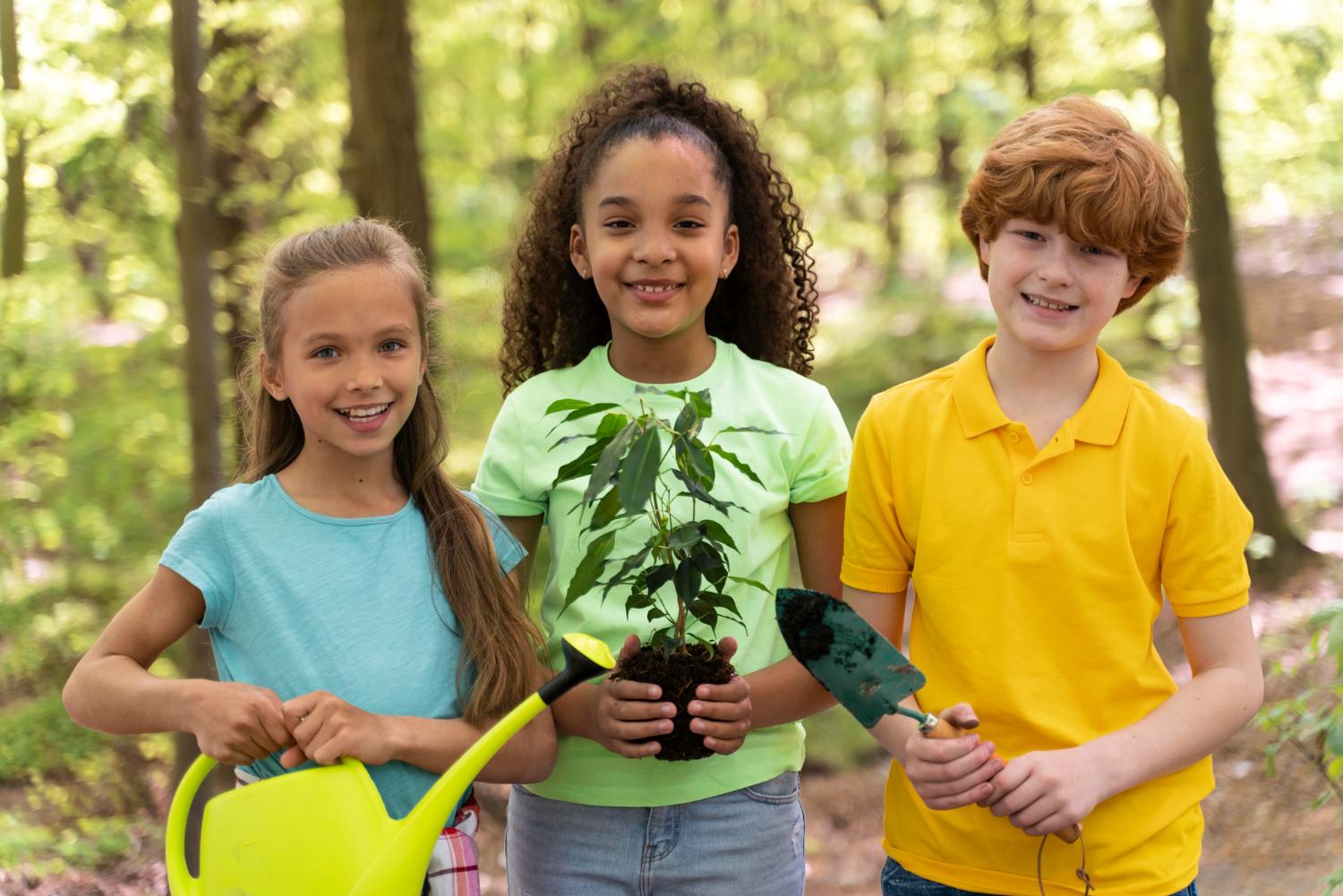
If you want to get kids interested in gardening, you don’t need a huge garden, a fancy kit, or hours of work. In fact, some of the very best gardening you can do starts with a small pot, a few seeds and a bit of interest.
Growing edible plants gives the child the chance to get their hands dirty, watch something grow, and enjoy the thrill of eating something they’ve grown themselves.
The trick is to pick plants that are easy to look after, grow fairly quickly, and do something interesting in the process. Here are a few child-friendly options to get your family garden going.
Strawberries: A sweet introduction to gardening
Start with strawberries as they’re an excellent first crop for a young gardener. They’re colorful, something children will recognize, and very rewarding. The extra benefit is that the fruit is actually something you can pick and eat off the plant.
A tall strawberry pot is perfect if you’re short on garden space. They’re pots with planting pockets down the sides so you can have quite a few strawberry plants in one pot. The kids can go round and check each pocket for new leaves, flowers and eventually the fruit.
Strawberries need lots of sun and regular watering (very much a container plant in that respect). Get the kids in to feel the soil with their fingers and help to water the plant when the top inch or so of soil is dry. They’ll soon work out that looking after a plant is pretty much the same as looking after a pet.
Cherry tomatoes: Little plants with big rewards
Cherry tomatoes are another good one as they make the growing process so easy to follow. You can literally see the little green tomatoes appear, turn color, and then become ready to be picked.
Choose a compact or bush variety that suits the space you have available, and grow it in a large pot with good drainage. Tomatoes need a sunny position and consistent watering. Depending on the variety, they may also need a little support stake as they grow.
Give the kids simple jobs, like checking the tomatoes for ripeness or helping clear up any fallen leaves. Once the fruit is ready, they can wash it and then use it in salads, sandwiches, or even on their own pizzas.
Radishes: Perfect for impatient gardeners
Some plants take weeks or months to produce anything edible, and that can be a very long time for a younger child. Radishes are the exception to that rule. There is a huge variety of radishes available that are ready to harvest in as little as 3-5 weeks.
Sow the seeds directly into the garden bed or pot (as per the packet instructions), keep the soil moist, and watch the seedlings push through.
The best bit is harvest time, when the kids can gently pull the radishes out of the ground and see the little roots all over the place. They may not be the most enthusiastic about the peppery taste, but growing them and pulling them up is quite an experience.
Peas: A garden snack straight from the plant
Peas are great for kids to grow as they’re not just something you eat. You can watch the vines climb, you can watch the flowers come up, and then you can go round looking for the pods full of peas.
If you’re working in limited space, then go for a dwarf variety. Peas generally prefer cooler conditions, so check the best time to plant for your local climate.
Once the pods are ready, show the children how to open them and remove the peas. It’s a very hands-on activity and can be a good way of introducing the idea of where food comes from and how plants produce it.
Turn gardening into a family activity
The best way to get the kids interested is to make it feel like play. Give them their own little watering can, let them pick out a few plants, and then give them a few simple things to do on their own.
You could also keep a gardening diary with the kids: have them draw their plants, record when the first shoots appear, and count their strawberries. It’s all about encouraging observation and patience in a very non-lesson type of way.
Remember that not every seed will produce a perfect crop and not every harvest will be bountiful. Rather than seeing a bad result as a failure, treat it as an opportunity to work out what the plants may have needed.
Bottom Line
A tiny edible garden can teach a child a hell of a lot more than just how to grow vegetables. It teaches them responsibility, sparks their interest in the natural world, and gives them a real appreciation of the effort that goes into producing food.
Whether they’re picking their very first strawberry, pulling up a radish, or just eating peas straight from the pod, those short moments can go a long way to turn gardening into something that the whole family actually looks forward to.
