

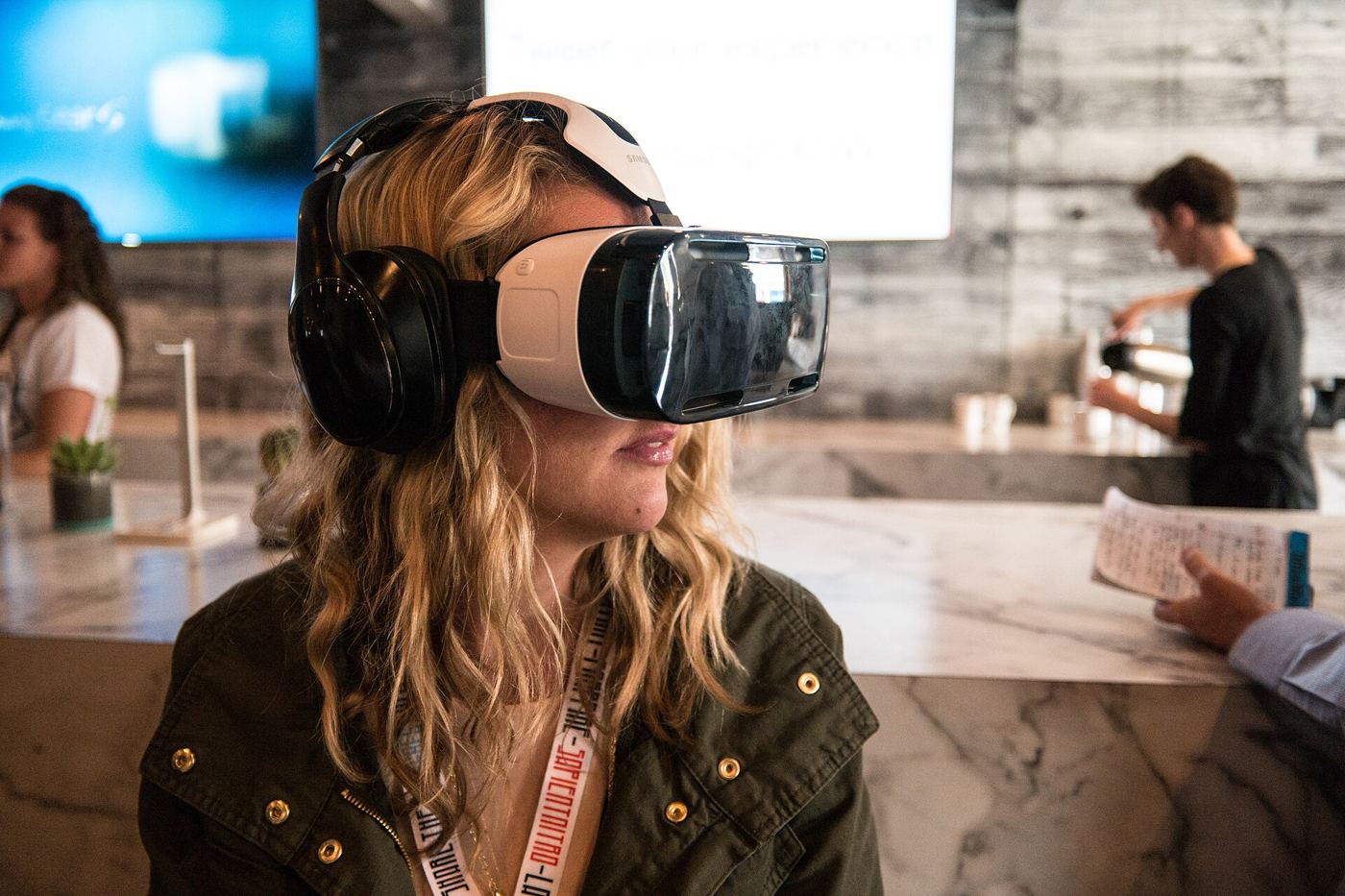
Exercise fails most often at the starting line, when the thought of a cold morning run or a crowded gym is enough to stay on the sofa. Virtual reality workouts change the setting entirely: put on a headset and the living room becomes a boxing ring, a dance floor or a mountain trail. Headsets such as Meta’s Quest, which needs no wires or computer, run fitness apps such as Supernatural, FitXR and Les Mills Bodycombat VR, where the player ducks, punches and squats to the beat of the music while coaches cheer them on. Sessions last from ten minutes to an hour, scores and streaks keep players coming back, and the headset tracks how many calories were burned. A workout that feels like a game is one people repeat, and the sweat is real even when the opponent is not. For people who hate the gym, it may be the first form of exercise that actually sticks.
What the Evidence Shows
A headset is still a piece of technology that needs care. The player needs a clear space of about two metres square, since a coffee table is the most common injury in VR fitness, and a fan helps, because the headset grows warm during a hard session. Some people feel queasy at first, especially in games with fast movement, so short sessions and games that keep the feet still are the best start. The cost is the headset itself plus a monthly subscription for most fitness apps, which is still cheaper than many gym memberships over a year. VR workouts build fitness and coordination, but they are not a complete programme on their own: they rarely load the muscles the way lifting weights does, and nothing replaces fresh air and daylight. Used alongside a walk and a little strength work, a VR workout turns a dull evening into a game that happens to be good for the body. Reporting and analysis from sources such as IEEE Spectrum track the same developments, and specialists following virtual reality workouts say the direction is now consistent across independent lines of evidence.
The Wider Context
Adoption of virtual reality workouts follows a familiar pattern with an unfamiliar speed. Early users tolerate rough edges in exchange for advantage, mainstream users arrive when the tool disappears into existing workflows, and the market consolidates around whoever made that transition feel effortless. Vendors are racing less on raw performance now than on integration, support and trust.
What Happens Next
The realistic forecast for virtual reality workouts is steady integration rather than sudden replacement: embedded in products people already use, improving in increments, and regulated in proportion to its reach. The companies and institutions that plan on that basis, training staff and redesigning processes instead of chasing launches, are the ones the adoption data tends to vindicate. You can follow related developments in our coverage of technology.
It is also worth remembering how quickly the picture in this area has changed before. Positions that looked settled a few years ago have been revised as new data arrived, and the same humility is appropriate now. The strongest coverage of this subject, and the most useful advice, tends to come from sources that update their views openly when the facts move, rather than defending an earlier position long after it has stopped fitting the evidence available.
