

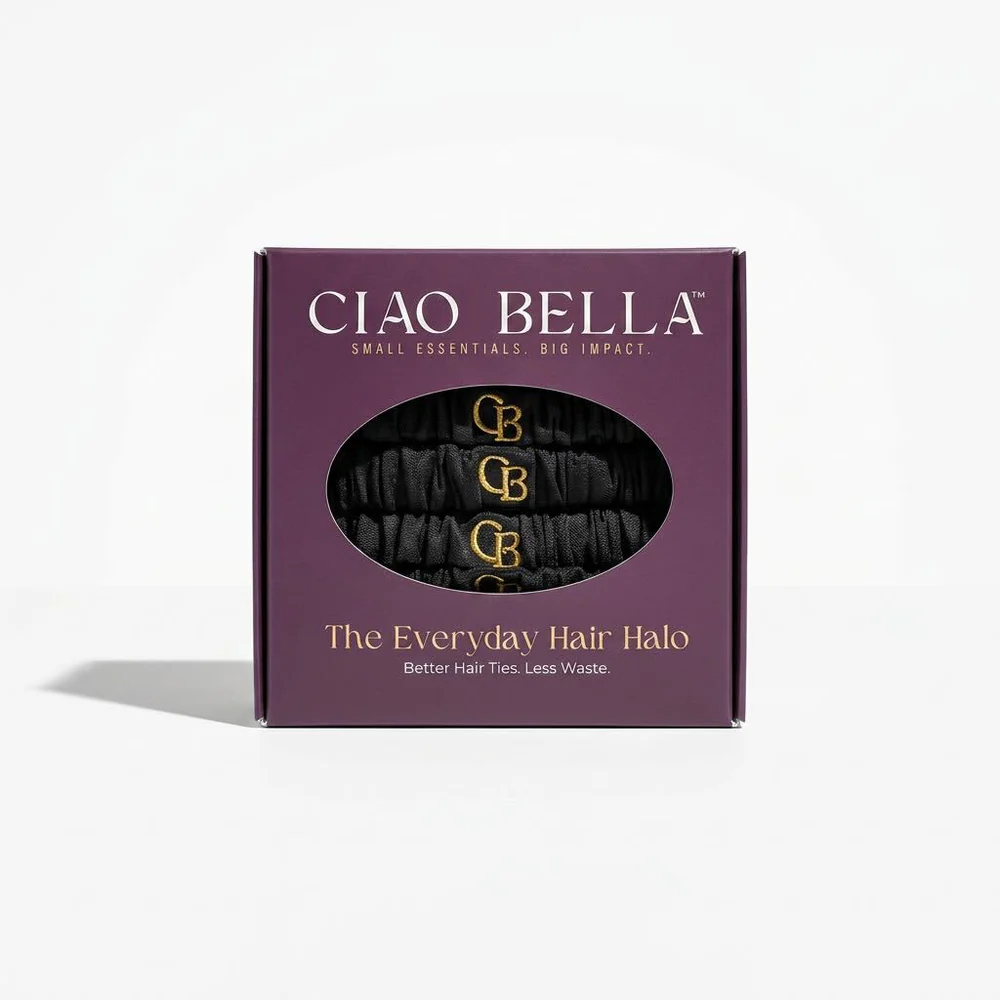
You have probably owned dozens of hair ties for women over the years. The cheap ones that snap after a week. The “better” ones that still leave a dent in your hair. Maybe you switched to a fabric scrunchie at some point, thinking that would fix things. It helped a little. But if the scrunchie had a synthetic elastic core, you were still stretching plastic around your hair every day. That is worth pausing on.
Pineapple fiber hair ties for women are a different category entirely. Not just a material swap, but a rethink of what a hair tie is supposed to do.
Where Pineapple Fiber Actually Comes From
Most people picture the fruit when they hear “pineapple fiber.” The fiber does not come from the fruit itself. It comes from the long leaves of the pineapple plant, which farmers harvest anyway when they pull the fruit. Those leaves would otherwise get discarded or burned. Extracting the fiber from them turns agricultural waste into something useful.
The fiber itself is fine, strong, and slightly textured. It has been used in traditional textiles in the Philippines for centuries. What makes it worth paying attention to now is how it performs when you put it against your hair.
What Pineapple Fiber Does That Synthetic Materials Cannot
Here is where it gets practical. Synthetic elastic grips your hair in one concentrated spot. It stretches, then snaps back tight, and that repeated tension is what causes breakage over time. Fine hair is particularly vulnerable. You start to notice it at the hairline and around the nape of your neck, where the tie sits most often.
Pineapple fiber distributes the grip differently. The texture of the fiber means it holds your hair without digging into one section. Less concentrated pressure means less breakage. That is not a marketing claim. It follows from basic material science.
The Sweat Problem Most Hair Tie Brands Ignore
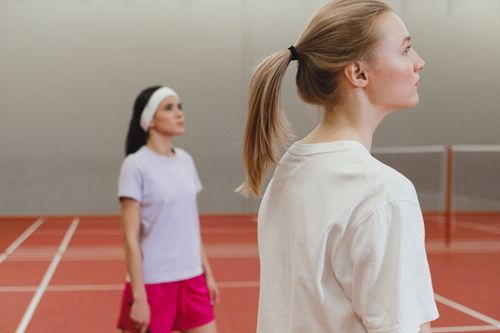
Think about the last time you worked out with a hair tie on. Halfway through, your hair starts slipping. The tie has stretched out from the moisture and lost its hold. You end up re-tying two or three times, and by the end, the tie feels loose and worn out.
Pineapple fiber behaves differently when wet. The fibers actually tighten slightly with moisture rather than relaxing. That means a pineapple fiber blend hair tie holds better during a run or a gym session, not worse. Perhaps that sounds counterintuitive. It did to me too, until you think about how natural plant fibers respond to water compared to synthetic ones.
Why “No Plastic” Is A Harder Standard Than It Sounds
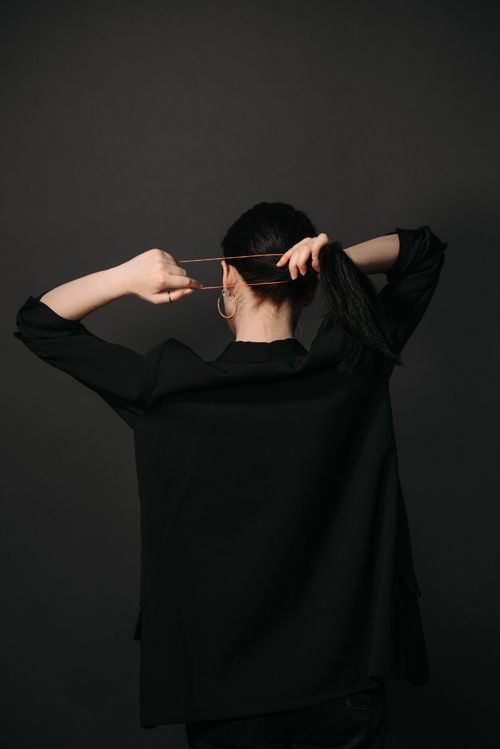
A lot of brands use the word “sustainable” loosely. Recycled polyester counts as sustainable by some definitions, but it is still plastic. It still sheds microplastics when it flexes. The United Nations Environment Program has noted that synthetic textiles are one of the leading sources of microplastic pollution in oceans worldwide.
A truly plastic-free hair tie contains no synthetic material anywhere, not in the fabric and not in the core. That rules out most options on the market, including many that are marketed as eco-friendly. The standard is stricter than the label usually suggests.
What The Hair Halo™ Gets Right
Ciao Bella Collective built the Hair Halo™ around this idea. The outer fabric is a pineapple fiber blend. The core uses natural rubber and cotton elastic. No polyester, no nylon, no synthetic stretch material of any kind.
Each pack of six saves around 30g of plastic compared to conventional hair ties. That may sound small. Across a year of use and across the number of people who buy hair ties regularly, it adds up to something real. Ciao Bella donates 5% of proceeds to environmental causes, currently supporting the Surfrider Foundation’s response to the Tijuana sewage crisis.
The tie works across hair types. Thick, fine, curly, straight. The hold is firm without the tight, unforgiving grip that leaves a crease after a few hours.
What To Expect When You Make The Switch
Some people notice the difference right away. Less snagging when you take the tie out. No dent where the tie sat. Others take a few days to adjust, mostly because they are used to pulling a synthetic tie tighter than they actually need to. Natural fiber holds with less force.
With proper care, each Hair Halo tie lasts up to a year. Ciao Bella backs that with a 90-day replacement if a tie snaps. That is a different kind of confidence than a brand selling you a 10-pack for $3 and expecting you to replace them monthly.
If your hair ties have been letting you down, whether through breakage, slipping, or just feeling rough on your strands, the material is probably the issue. Switching to a pineapple fiber blend tie is a small change that your hair will notice before you do.
Shop the Hair Halo at ciaobellacollective.com.