

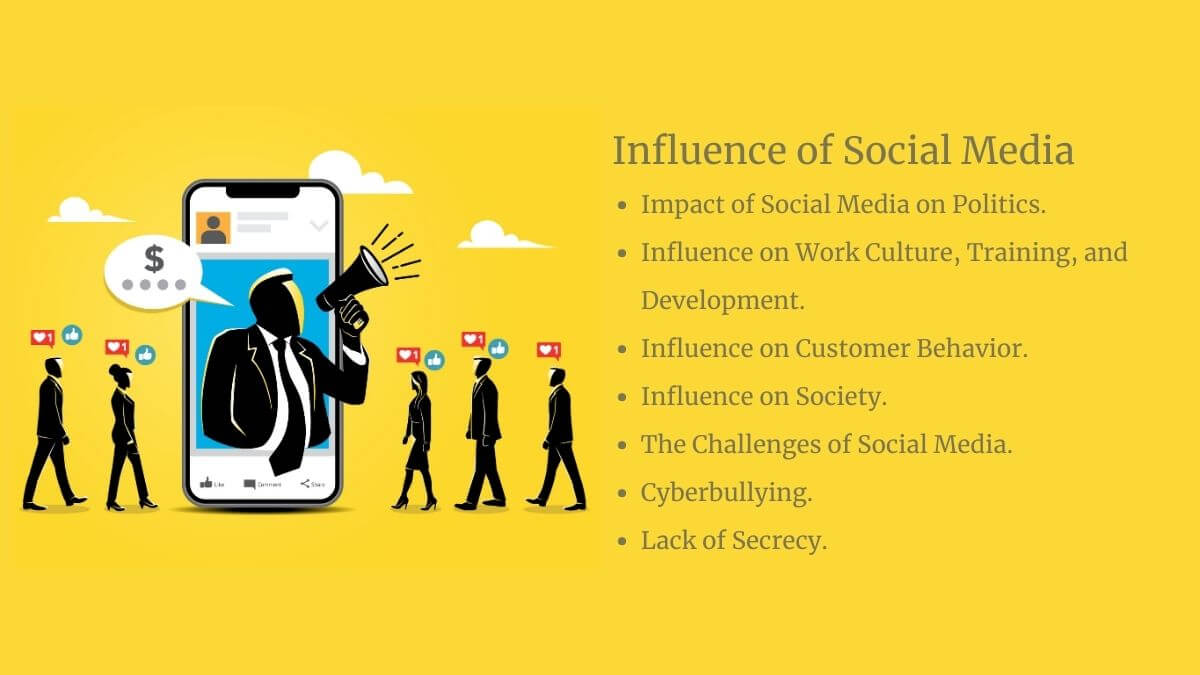
Social media has become a powerful part of everyday life, influencing how people communicate, learn, shop, and spend free time.From connecting families to shaping public opinions, digital platforms now affect personal habits and social behavior daily.While social media offers entertainment and instant information, it also creates challenges related to mental health, productivity, and privacy.Understanding its real impact helps people use these platforms more wisely and maintain a healthier balance in modern life.
Communication Changes
Faster Global Connections
Social media allows people to communicate instantly across different countries and cultures. Friends, families, and coworkers can stay connected through messages, video calls, and shared content. This easy access improves relationships and creates stronger global interaction. Businesses also benefit from direct communication with customers. Modern communication has become faster, more convenient, and highly dependent on social networking platforms every day.
Influence On Personal Relationships
Digital communication has changed how people build and maintain relationships. Many individuals now interact more online than in person, which can strengthen long-distance connections. However, excessive online interaction may reduce face-to-face communication skills. Misunderstandings can also happen through text-based conversations. Healthy social media use helps maintain meaningful relationships while balancing online and offline personal interactions effectively.
Sharing Information Quickly
Social media platforms spread information within seconds, making news and updates easily accessible. People can learn about world events, trends, and educational topics instantly. Businesses, organizations, and creators also use these platforms to share valuable content with audiences. However, false information can spread just as quickly. Users must verify sources carefully to avoid confusion and misinformation online.
Growth Of Online Communities
People with shared interests can join online groups and communities through social media. These spaces encourage discussions about hobbies, education, careers, and social causes. Online communities create opportunities for learning, networking, and emotional support. Many individuals feel connected through these digital interactions. Positive communities can inspire creativity, confidence, and collaboration among users from different backgrounds and experiences worldwide.
Mental Health Effects
Increased Stress Levels
Constant notifications, endless scrolling, and online pressure can increase stress levels for many users. Social media often creates unrealistic expectations related to appearance, success, and lifestyle. People may feel overwhelmed trying to keep up with trends or online popularity. Limiting screen time and following positive content can help reduce stress and encourage healthier digital habits in daily life.
Impact On Self-Esteem
Many users compare themselves to carefully edited images and lifestyles shown online. This comparison can negatively affect confidence and self-esteem, especially among teenagers and young adults. Social media often highlights perfection rather than reality. Positive self-awareness and mindful platform use are important for maintaining emotional balance. Encouraging authentic content helps users develop healthier perspectives about themselves and others.
Social Media Addiction
Excessive social media use can become addictive and reduce focus on real-life responsibilities. People may spend hours scrolling through content without realizing how much time has passed. This habit can affect sleep, work performance, and personal relationships. Creating healthy boundaries, limiting screen time, and taking digital breaks can improve mental well-being and encourage more productive daily routines.
Emotional Support Networks
Despite challenges, social media can provide emotional support and encouragement during difficult times. Many users find motivation, friendship, and understanding through supportive online communities. Mental health awareness campaigns also help reduce stigma and educate people about emotional well-being. Positive digital spaces allow individuals to share experiences and connect with others facing similar struggles, creating stronger emotional support systems.
Education And Learning
Access To Educational Content
Social media provides easy access to educational videos, tutorials, and learning resources. Students can explore new topics, improve skills, and follow experts in different industries. Educational creators share useful information in simple and engaging ways. This accessibility supports independent learning and helps users gain knowledge outside traditional classrooms. Learning through social platforms has become increasingly common among young audiences.
Collaboration Between Students
Students use social media to discuss assignments, exchange ideas, and collaborate on projects. Online study groups encourage teamwork and improve communication skills. These platforms make learning more interactive and flexible for students worldwide. Quick sharing of notes, resources, and academic updates saves time and increases efficiency. Social media has become an important tool for modern educational collaboration and communication.
Distraction During Studies
While social media supports learning, it can also create major distractions for students. Frequent notifications and entertainment content reduce concentration and study productivity. Many students struggle to manage screen time while completing academic tasks. Developing disciplined online habits and setting study priorities can improve focus. Balanced social media use helps students avoid unnecessary distractions during important educational activities and responsibilities.
Skill Development Opportunities
Social media platforms allow users to develop creative and professional skills through online content. People can learn photography, marketing, graphic design, language skills, and business strategies from experienced creators. Many professionals share free educational advice and career guidance. These learning opportunities support personal growth and career improvement. Social media has become a valuable platform for practical skill development worldwide.
Business And Marketing
Growth Of Digital Marketing
Businesses use social media to promote products, services, and brand awareness. Digital marketing helps companies reach targeted audiences quickly and cost-effectively. Platforms provide tools for advertising, customer engagement, and performance tracking. Small businesses especially benefit from affordable online promotion. Social media marketing continues to grow because it offers direct communication and stronger relationships between businesses and consumers globally.
Influence On Consumer Decisions
Social media strongly influences buying decisions through reviews, influencer promotions, and product recommendations. Consumers often trust opinions shared by creators and other users online. Attractive visuals and viral trends encourage impulse purchases and brand popularity. Companies use these strategies to increase sales and engagement. Smart consumers should research products carefully before making purchasing decisions based on social media influence.
Opportunities For Content Creators
Many individuals build careers through social media by creating videos, blogs, and entertainment content. Platforms offer opportunities for sponsorships, partnerships, and online businesses. Content creators can earn income while sharing knowledge or creativity with audiences. Success often requires consistency, originality, and audience engagement. Social media has transformed digital content creation into a major career path for millions worldwide.
Customer Service Improvements
Businesses now use social media to provide customer support and solve problems quickly. Customers can contact brands directly through comments, messages, and reviews. Fast responses improve trust and customer satisfaction. Public communication also encourages companies to maintain better service quality. Social media has made customer interaction more transparent, immediate, and accessible for businesses and consumers alike in modern markets.
Privacy And Security
Data Collection Concerns
Social media platforms collect large amounts of user data for advertising and platform improvement. Many users are unaware of how their information is stored and shared online. Personal data can include browsing habits, locations, and interests. Understanding privacy settings and reading platform policies helps users protect their information. Awareness about digital privacy has become increasingly important in today’s connected world.
Risk Of Cyberbullying
Cyberbullying is a serious issue affecting many social media users, especially teenagers. Harmful comments, online harassment, and public humiliation can damage emotional well-being and confidence. Victims often experience anxiety, fear, and stress due to online abuse. Promoting respectful communication and reporting harmful behavior helps create safer online environments. Education about digital responsibility is essential for reducing cyberbullying incidents effectively.
Online Scam Threats
Fraudulent messages, fake accounts, and online scams are common risks on social media platforms. Scammers often target users through false advertisements, giveaways, or investment schemes. People may lose personal information or money if they trust suspicious content. Staying cautious, verifying accounts, and avoiding unknown links can improve online safety. Awareness remains one of the strongest protections against digital scams.
Importance Of Privacy Settings
Privacy settings help users control who can see personal information and online activity. Many platforms offer options to manage visibility, comments, and shared content. Proper settings reduce risks related to identity theft, harassment, and unwanted access. Users should regularly update security preferences and create strong passwords. Responsible privacy management supports safer and more secure social media experiences for everyone online.
FAQs
How does social media affect mental health?
Social media can improve connection but may also increase stress, anxiety, and low self-esteem.
Why is social media important for businesses?
It helps businesses promote products, connect with customers, and increase brand awareness online.
Can social media improve education?
Yes, it provides access to educational content, tutorials, and collaborative learning opportunities.
What are the biggest risks of social media?
Privacy concerns, cyberbullying, scams, and addiction are some of the biggest social media risks.
How can people use social media responsibly?
People should limit screen time, protect privacy, and focus on positive and meaningful interactions.
conclusion
Social media continues to shape communication, education, business, and entertainment in modern society. Its influence creates both opportunities and challenges that affect people daily. Positive use of social platforms can improve learning, relationships, and professional growth, while excessive or careless use may harm mental health and privacy. Maintaining balance, practicing digital responsibility, and staying aware of online risks are essential for healthier experiences. By using social media wisely, individuals can enjoy its benefits while reducing negative effects on personal and social well-being effectively.