

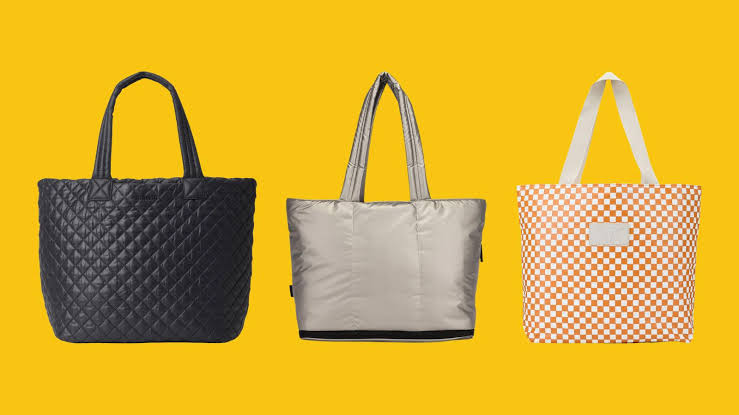
Travel habits have changed significantly in recent years. Consumers increasingly want products that can move easily between work, short trips, airports, hotels, shopping, and everyday activities without looking overly technical or bulky.
This shift has helped travel tote bags become an increasingly versatile category.
A well-designed travel tote can provide the capacity of a traditional carry bag while maintaining a cleaner, more lifestyle-oriented appearance. For fashion labels, travel brands, corporate programs, and private-label businesses, this creates an opportunity to develop products that combine functionality with strong visual identity.
However, successful travel tote development requires more than increasing the size of an everyday tote. Materials, proportions, handles, organization, structure, hardware, and manufacturing methods all influence how the finished product performs.
Understanding How the Tote Will Be Used
The first step in developing a travel tote is understanding the intended customer.
Different users have very different expectations.
A business traveler may need laptop protection, document storage, a luggage sleeve, and organized compartments for chargers and accessories.
A weekend traveler may prioritize clothing capacity, lightweight construction, easy access, and comfortable shoulder straps.
A fashion-oriented customer may care more about silhouette, texture, color, hardware, and how the bag works with different outfits.
Brands should therefore define several factors before beginning development:
- Who is the target customer?
- How long will the bag normally be carried?
- What items should it hold?
- Will it be used as a carry-on?
- Does it need laptop storage?
- Should it fit over rolling luggage?
- How structured should the finished shape be?
- What retail positioning is the brand targeting?
These decisions provide a framework for the entire development process.
Capacity Needs to Be Balanced With Proportion
Travel totes need enough capacity to be useful, but additional volume can quickly make a bag feel oversized.
Width, height, depth, handle drop, and opening size all influence how the tote looks and performs.
A deeper base can create more packing space, but excessive depth may cause the bag to feel bulky against the body. A wider opening can improve accessibility but may require stronger reinforcement to maintain the intended shape.
Brands should also consider how the tote performs when partially filled.
Some customers prefer a soft bag that collapses naturally when empty. Others expect a structured silhouette that maintains its form throughout use.
The correct construction depends on the desired aesthetic and application.
Materials Influence Both Style and Performance
Material selection is one of the most important decisions in travel tote development.
Polyester is widely used because it provides a practical balance of durability, cost efficiency, color consistency, and availability.
Nylon can offer lighter weight and stronger abrasion resistance, making it particularly suitable for products intended for frequent travel.
Canvas can create a more relaxed, natural, or heritage-inspired appearance, while coated fabrics can provide improved resistance to moisture.
Fashion-focused collections may also consider PU, microfiber, quilted fabrics, recycled textiles, or other specialty materials.
However, the exterior fabric is only one part of the product.
Lining, reinforcement materials, foam, webbing, thread, binding, zippers, and hardware all influence how the finished bag feels.
A premium exterior can lose much of its perceived value if the lining feels weak or the hardware performs poorly.
Handle Construction Deserves Special Attention
Handles on a travel tote experience repeated lifting and often support significant weight.
For this reason, their construction should be considered carefully.
Brands should evaluate:
- Handle width
- Material thickness
- Reinforcement
- Stitching method
- Attachment position
- Handle drop
- Comfort under load
Some totes use short handles combined with a detachable shoulder strap. Others use longer shoulder handles that allow the bag to be carried directly over the shoulder.
The intended carrying style should be tested with realistic contents during sampling.
A handle that feels comfortable on an empty prototype may perform very differently when the tote is filled with clothing, electronics, shoes, or travel accessories.
Internal Organization Can Improve Travel Convenience
A large open tote provides flexibility, but it can also become difficult to organize.
Travel-oriented designs often benefit from clearly planned internal storage.
Possible features include:
- Padded laptop compartments
- Zippered security pockets
- Passport pockets
- Bottle holders
- Charger and cable storage
- Mesh organizers
- Key clips
- Shoe compartments
- Laundry sections
- Exterior quick-access pockets
The best layout depends on the intended traveler.
A business travel tote may require more structured organization, while a weekend tote may prioritize a larger central compartment.
More pockets are not automatically better.
Every additional compartment adds materials, labor, weight, and production complexity. The goal is to include features that genuinely improve usability.
Luggage Sleeves Can Add Practical Value
One feature that has become particularly useful for travel totes is the luggage sleeve.
This allows the tote to slide over the telescopic handle of rolling luggage, reducing the need to carry the full weight through airports or train stations.
However, the position and construction of the sleeve matter.
It should hold the bag securely without making it difficult to remove. The surrounding panel may also need reinforcement if the tote is expected to carry heavier contents.
Small design details like this can significantly improve the real-world user experience.
Hardware and Zippers Influence Perceived Quality
Customers interact constantly with zipper pulls, buckles, hooks, clasps, and other hardware.
These components therefore have a major influence on perceived quality.
Brands should evaluate zipper smoothness, hardware strength, plating consistency, corrosion resistance, and compatibility with the surrounding materials.
Hardware finish also affects the personality of the bag.
Polished gold can create a more refined or fashion-oriented appearance, while gunmetal, matte black, or brushed nickel may suit contemporary, technical, or minimalist designs.
Custom zipper pulls and metal logo plates can help differentiate a private-label collection but may require molds or additional development time.
Sampling Is Essential Before Production
A digital drawing can communicate dimensions and construction ideas, but it cannot reveal every practical issue.
Physical prototypes allow brands to evaluate:
- Overall proportions
- Handle comfort
- Shoulder carrying
- Internal organization
- Laptop fit
- Zipper operation
- Bag structure
- Material feel
- Hardware quality
- Weight distribution
A first sample may reveal that the handles need to be longer, the opening is too narrow, the luggage sleeve should be repositioned, or the selected material makes the finished tote heavier than expected.
For brands developing their own collections, working with an experienced travel tote bag manufacturer during sampling can help translate design ideas into practical construction while improving manufacturability and production consistency.
Small adjustments made at this stage can prevent much larger problems during bulk production.
Customization Extends Beyond Branding
Private-label tote development can involve much more than printing a logo onto an existing stock bag.
Brands can customize:
- Overall dimensions
- Exterior materials
- Colors
- Lining
- Handles
- Shoulder straps
- Pocket layouts
- Zippers
- Metal components
- Labels
- Embroidery
- Printing
- Logo plates
- Packaging
The appropriate level of customization depends on target quantity, budget, brand positioning, and intended retail price.
Companies such as Tamador support OEM and ODM bag development, allowing brands to develop products around their own specifications, materials, functional requirements, branding, and packaging.
For brands seeking differentiation, the objective should be to create a product that feels deliberately developed rather than simply modifying a generic tote.
Manufacturing Feasibility Should Be Considered Early
A visually attractive prototype is not automatically ready for mass production.
Production requires consistency.
Materials must be sourced reliably, construction steps must be repeatable, hardware needs stable specifications, and important dimensions should have acceptable tolerances.
Complex hidden compartments may increase sewing difficulty. Custom metal components may require tooling. Specialized materials can affect lead times.
These considerations do not mean brands should avoid creative ideas.
Instead, design and manufacturing should be evaluated together so that product features create meaningful customer value without introducing unnecessary production risk.
Quality Control Should Begin Before Final Inspection
Quality control is most effective when standards are defined before production begins.
Typical inspection points may include:
- Material color consistency
- Surface appearance
- Stitch density
- Seam alignment
- Handle reinforcement
- Zipper function
- Hardware finish
- Dimensions
- Logo placement
- Internal cleanliness
- Packaging condition
Approved samples and clearly defined specifications provide useful references during manufacturing.
Quality checks can also be performed during production rather than waiting until every product is finished.
This helps identify potential problems earlier and reduces the risk of inconsistencies across larger quantities.
Sustainability Is Becoming More Relevant
Some brands are also paying greater attention to recycled fabrics and lower-impact material options.
Recycled polyester and recycled nylon are increasingly available for bag development, while packaging can also be adjusted to reduce unnecessary material use.
However, sustainability should not come at the expense of product performance.
A travel tote designed for repeated use should remain durable enough to deliver a long service life.
In many cases, creating a product that customers continue using for years can be more meaningful than focusing only on individual material claims.
Travel Totes Sit Between Fashion and Function
One reason travel totes remain attractive to brands is their ability to cross several product categories.
They can function as:
- Weekend bags
- Business travel bags
- Carry-on accessories
- Shopping totes
- Laptop bags
- Lifestyle bags
- Corporate gifts
- Branded merchandise
This versatility also gives brands considerable freedom in styling.
A technical travel brand may use lightweight nylon and functional hardware, while a fashion label may prefer softer textures, subtle branding, and refined metal details.
The basic product concept can therefore be adapted to very different customer groups.
Successful Products Are Designed Around Real Use
The strongest travel tote bags combine aesthetics with practical performance.
They should be easy to carry, appropriately organized, durable enough for repeated travel, and consistent with the identity of the brand developing them.
Every detail—from fabric and handles to internal pockets and hardware—contributes to the final customer experience.
For brands entering or expanding within the travel bag market, careful product development can turn a simple tote concept into a versatile product that customers use across work, travel, and everyday life.
