

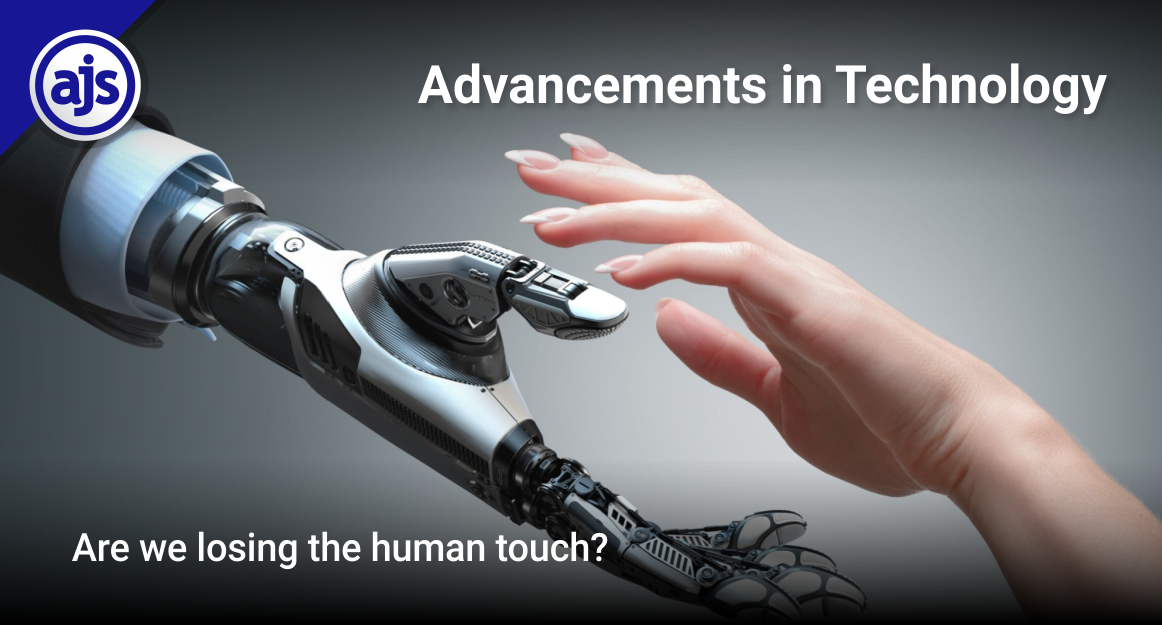
Technology has advanced faster than human imagination, reshaping how we live, work, and connect.Many innovations once considered science fiction are now part of everyday reality.From artificial intelligence to space exploration, unexpected breakthroughs continue to redefine industries.This article explores the most surprising technological advancements people never expected to see.
Artificial Intelligence
AI in Daily Life Assistants
Artificial intelligence has quietly become part of daily routines through virtual assistants, recommendation systems, and smart devices. People now use AI for voice commands, scheduling, and personalized content without realizing its depth. What once seemed futuristic is now embedded in homes, phones, and workplaces, making everyday tasks faster, easier, and more efficient than ever before.
Generative AI Creativity
Generative AI can now create images, text, music, and videos in seconds. This advancement shocked many because machines are now producing creative work once believed to be uniquely human. Designers, writers, and marketers use these tools to enhance productivity, brainstorm ideas, and generate content, transforming the creative industry at a speed never expected before.
Automation in Jobs
Automation powered by AI is changing industries by replacing repetitive tasks in manufacturing, customer service, and data processing. While it increases efficiency, it also raises concerns about job displacement. Many companies now rely on intelligent systems to reduce costs and improve accuracy, showing how deeply automation has integrated into modern work environments.
Predictive Systems
Predictive AI systems analyze large data sets to forecast trends in business, weather, and consumer behavior. These systems help companies make smarter decisions and reduce risks. From predicting shopping habits to identifying potential health issues, predictive technology is becoming a powerful tool that many people never expected to become so accurate and widely used.
Space Technology
Reusable Rockets
Reusable rocket technology has transformed space travel by significantly reducing costs. Companies can now launch, land, and reuse rockets multiple times, something once thought impossible. This innovation has opened doors for more frequent missions, making space exploration more sustainable and accessible than ever before in human history.
Mars Exploration
Mars exploration has advanced with rovers collecting data and sending high-resolution images back to Earth. Scientists are studying the planet for signs of life and future human settlement possibilities. Missions once considered decades away are now actively underway, showing how quickly humanity is progressing toward interplanetary exploration.
Satellite Internet
Satellite internet systems now provide connectivity in remote areas where traditional networks cannot reach. Thousands of satellites orbit Earth to deliver high-speed internet globally. This advancement has changed communication in rural regions, disaster zones, and developing countries, surprising experts who once thought global coverage would be impossible.
Space Tourism
Space tourism is no longer just science fiction, as private companies now offer trips beyond Earth’s atmosphere. Wealthy individuals can experience weightlessness and view Earth from space. This industry is still developing but represents a major shift in travel possibilities that people never expected to become a commercial reality.
Medical Breakthroughs
Gene Editing Technology
Gene editing tools like CRISPR allow scientists to modify DNA with precision. This breakthrough has opened possibilities for curing genetic diseases and improving agricultural productivity. What once sounded like science fiction is now a real medical field, offering hope for treatments that were previously thought impossible.
AI in Diagnostics
Artificial intelligence is now used to detect diseases such as cancer and heart conditions at early stages. AI systems analyze medical images and patient data faster and often more accurately than humans. This technology is transforming healthcare by improving diagnosis speed and reducing human error in critical situations.
Robotic Surgery
Robotic-assisted surgery allows doctors to perform complex operations with greater precision and minimal invasion. These systems reduce recovery time and improve surgical outcomes. Patients benefit from smaller incisions and reduced risk, showing how robotics has entered medicine in ways few people ever expected.
Personalized Medicine
Personalized medicine tailors treatments based on an individual’s genetic profile and health history. This approach increases treatment effectiveness and reduces side effects. It represents a shift from one-size-fits-all healthcare to customized solutions, marking a major breakthrough in modern medical science.
Communication & Internet
5G and Beyond
5G technology has revolutionized internet speed and connectivity, enabling faster downloads and smoother communication. It supports smart cities, autonomous vehicles, and advanced applications. Research on 6G is already underway, promising even more powerful networks that were unimaginable just a few years ago.
VR and AR Communication
Virtual reality and augmented reality are changing how people communicate and interact online. Meetings, education, and entertainment can now take place in immersive virtual environments. This shift creates experiences that feel real, transforming digital communication into something far beyond traditional video calls.
Quantum Internet Concepts
Quantum internet is an emerging concept that could provide ultra-secure communication through quantum physics principles. Although still in development, it promises unhackable data transmission. This idea represents a future leap in cybersecurity that many people never expected to be possible.
Global Connectivity Expansion
Internet access has expanded globally, connecting billions of people. Remote areas now have access to education, business, and communication tools. This expansion is reducing the digital divide and creating opportunities that were previously unavailable to large populations worldwide.
Transportation Future
Electric Vehicles Growth
Electric vehicles are rapidly replacing traditional fuel-powered cars due to environmental concerns. Improved battery technology has made them more efficient and affordable. Governments and companies are investing heavily in EV infrastructure, showing a shift in transportation that many did not expect to happen so quickly.
Autonomous Driving Systems
Self-driving cars are becoming more advanced with AI-powered navigation and safety systems. These vehicles can detect obstacles, follow traffic rules, and reduce human error. Although still evolving, autonomous driving is reshaping transportation and urban planning in ways once thought impossible.
Hyperloop Concepts
Hyperloop technology proposes ultra-fast travel through vacuum tubes, drastically reducing travel time between cities. Although still experimental, it has gained serious attention from engineers and investors. If successful, it could revolutionize transportation speed beyond anything currently available.
Flying Taxis Development
Flying taxis are being developed to reduce traffic congestion in major cities. These aerial vehicles aim to provide fast urban transportation using electric propulsion. While still in testing phases, they represent a futuristic transport solution that people once only imagined in movies.
FAQs
What is the most surprising technology today?
Artificial intelligence and space tourism are among the most surprising technologies transforming modern life.
How is AI changing daily life?
AI helps with automation, recommendations, virtual assistants, and faster decision-making in everyday tasks.
Is space tourism really possible now?
Yes, private companies have started offering limited commercial space travel experiences.
What is gene editing used for?
Gene editing is used to treat genetic diseases and improve biological research outcomes.
Are self-driving cars fully available?
Not fully; they are still in development and testing phases in many countries.
Conclusion
Technology advancements have reshaped the world in ways people once thought impossible, from artificial intelligence to space exploration. Medical science, communication, and transportation have all experienced revolutionary changes. These innovations continue to evolve rapidly, influencing daily life, industries, and future possibilities. As technology progresses further, humanity moves closer to a future filled with smarter systems, faster connections, and extraordinary breakthroughs never imagined before.