

For people living with type 2 diabetes, managing blood sugar has traditionally meant finger-prick tests: a few snapshots a day, with long blind stretches in between. Continuous glucose monitors — small wearable sensors that read glucose levels every few minutes, day and night — are changing that picture. Originally developed for type 1 diabetes, the devices are now being prescribed far more widely, and the evidence behind them is getting stronger. At Intensity Magazine, we look at what the research actually shows.
Five More Hours a Day in the Healthy Range
The headline finding from recent clinical research is striking: people with type 2 diabetes who used a continuous glucose monitor spent around five more hours per day with their blood sugar in the healthy target range compared with those relying on conventional testing. That measure, known as “time in range”, matters because it correlates with lower average glucose (HbA1c) and a reduced risk of the complications that make diabetes so serious — eye, kidney and nerve damage among them.
Just as importantly, monitors catch what finger-pricks miss. Many users discover that a favourite breakfast spikes their glucose far more than expected, or that an evening walk flattens a post-dinner rise. That immediate, personal feedback loop is something a quarterly blood test can never provide, and clinicians say it is the main reason the technology changes behaviour rather than merely recording it.
How the Devices Work
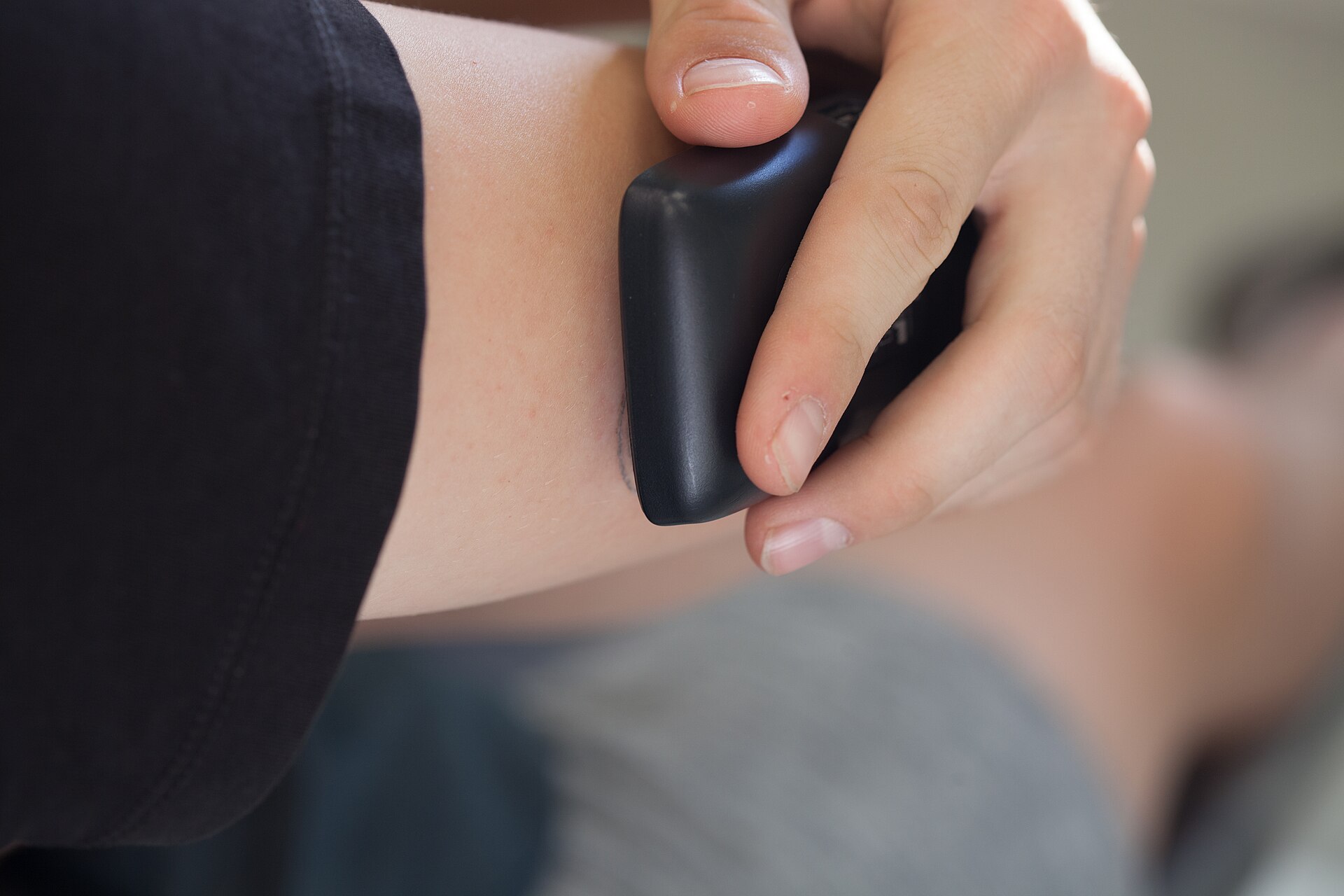
A continuous glucose monitor has three parts: a small sensor worn on the arm or abdomen that measures glucose in the fluid just under the skin, a transmitter, and an app or reader that displays readings and trends. Modern sensors last ten to fourteen days, are applied at home in seconds, and need no routine finger-prick calibration. The American Diabetes Association now includes continuous monitoring in its standards of care for many people with type 2 diabetes, particularly those using insulin.
The data presentation is the clever part. Instead of isolated numbers, users see arrows and graphs: rising, falling, steady. Alarms can warn of impending lows, a feature especially valued by people on insulin or sulfonylureas, and by older adults living alone. Many devices also let users share data with family members or their care team between appointments.
Who Benefits Most — and the Caveats
The strongest evidence is in people using insulin, where studies show meaningful HbA1c reductions. Benefits for people managing type 2 diabetes with lifestyle and oral medication alone look promising but are still being quantified, and researchers are careful to note that a monitor is a tool, not a treatment: the gains come from the changes people make in response to the data.
There are practical considerations too. Sensors cost money, and coverage varies widely between health systems and insurers, though prices have fallen as pharmacy-sold models have launched. Skin irritation affects some wearers, and the constant stream of data can feel overwhelming at first; diabetes educators recommend focusing on patterns over days rather than reacting to every reading. The CDC’s diabetes resources emphasise that technology works best alongside, not instead of, regular clinical care.
Adoption Is Accelerating
Prescribing is rising fast. Pharmacies in several countries now sell monitors over the counter, employers are adding them to wellness programmes, and a growing wellness market of people without diabetes has emerged — a trend endocrinologists view with some caution, since the benefits for people with normal glucose control are unproven. For the type 2 community, though, the direction of travel is clear.
The bottom line: for many people with type 2 diabetes, a continuous glucose monitor turns an invisible condition into a visible, manageable one — and five extra hours a day in the healthy range is a benefit that is hard to argue with. If you are considering one, raise it at your next appointment; and for more health features that separate evidence from hype, explore the Health section of Intensity Magazine.