

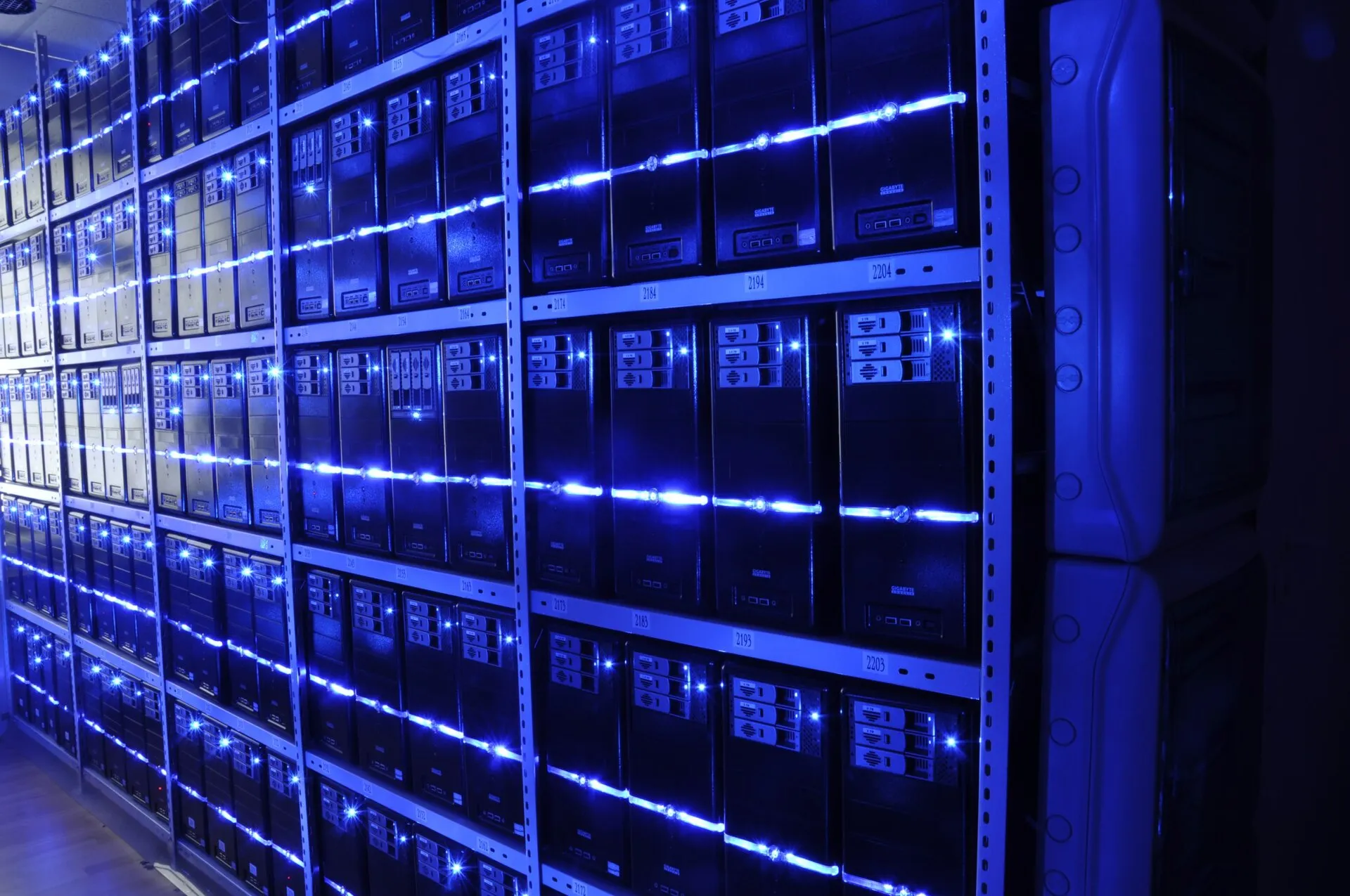
Few arguments in business generate as much certainty, in opposite directions, as the question of whether artificial intelligence is in a bubble. Bulls point to a technology that is improving quickly and spreading into real products. Bears point to spending on data centres that has raced far ahead of the revenue AI currently produces. Both sides can be describing the same facts. What would actually settle the debate is not another round of opinion, but a handful of evidence tests that anyone can watch. Our wider coverage of the industry sits in our Technology section.
Test One: Revenue That Keeps Growing
The simplest test is whether customers keep paying, and paying more, for AI products. Subscription tools, cloud AI services and AI features bundled into existing software all generate measurable income. If that revenue compounds for several years, the spending behind it starts to look like investment ahead of demand. If growth flattens while capacity keeps expanding, the bubble case strengthens considerably. Analysts quoted in coverage by outlets such as Reuters return to this gap, between money in and money out, more than to any other number.
There is a subtlety worth noting. Much AI revenue is currently earned by the same companies doing the spending, as cloud providers sell AI capacity to businesses. That is real revenue, but the ultimate test is whether the businesses buying it can point to their own returns: costs saved, products improved, or new income created. A chain of spending in which everyone sells to everyone else, without end-user value at the bottom, is the classic structure of a bubble. Evidence of genuine end-user value is therefore the strongest card the bulls can play.
Test Two: The Cost Curve of Data Centres
The second test runs in the opposite direction. Building data centres requires chips, land, power connections and cooling on a scale that strains supply chains and electricity grids alike. If those costs keep rising while the price customers will pay for AI output falls, margins compress from both sides. Bears argue this squeeze is already visible in the economics of smaller AI firms that rent capacity from the giants.
Bulls answer with history. Computing costs have a long record of falling as hardware improves and engineers squeeze more performance from each generation of equipment. If each new generation of chips delivers AI answers more cheaply, today’s intimidating spending can be amortised over far more usage tomorrow. Watching whether the cost of producing a given AI result keeps falling, and how fast, tells you more about the industry’s future than any single quarter’s capital expenditure headline.
Test Three: Who Is Left Holding the Assets
Bubbles are defined less by whether a technology matters, the railways and the early internet mattered enormously, than by who loses money when expectations reset. If AI spending disappoints, the losses land somewhere specific: shareholders of the biggest spenders, lenders who financed independent data-centre projects, or towns that granted incentives for facilities that arrive half-empty. Following the financing, as business reporting in our Business coverage often does, reveals where the risk truly sits.
This is also why the comparison with the dot-com era cuts both ways. Much of today’s spending comes from highly profitable companies funding investment from their own cash flow, which is a sturdier structure than debt-fuelled speculation. At the same time, circular deals, in which chip makers invest in the customers who buy their chips, deserve the scepticism they receive.
What Would Settle It
The debate will not end with a verdict delivered on a single day. It will end the way most investment arguments end: gradually, as a few years of results accumulate. Sustained revenue growth, falling unit costs and AI products that ordinary businesses refuse to give up would settle it for the bulls. Stalled adoption, idle capacity and write-downs would settle it for the bears. Until then, the most useful habit for readers is to ignore the loudest voices on both sides and watch the tests: earnings against data-centre bills, quarter after quarter.